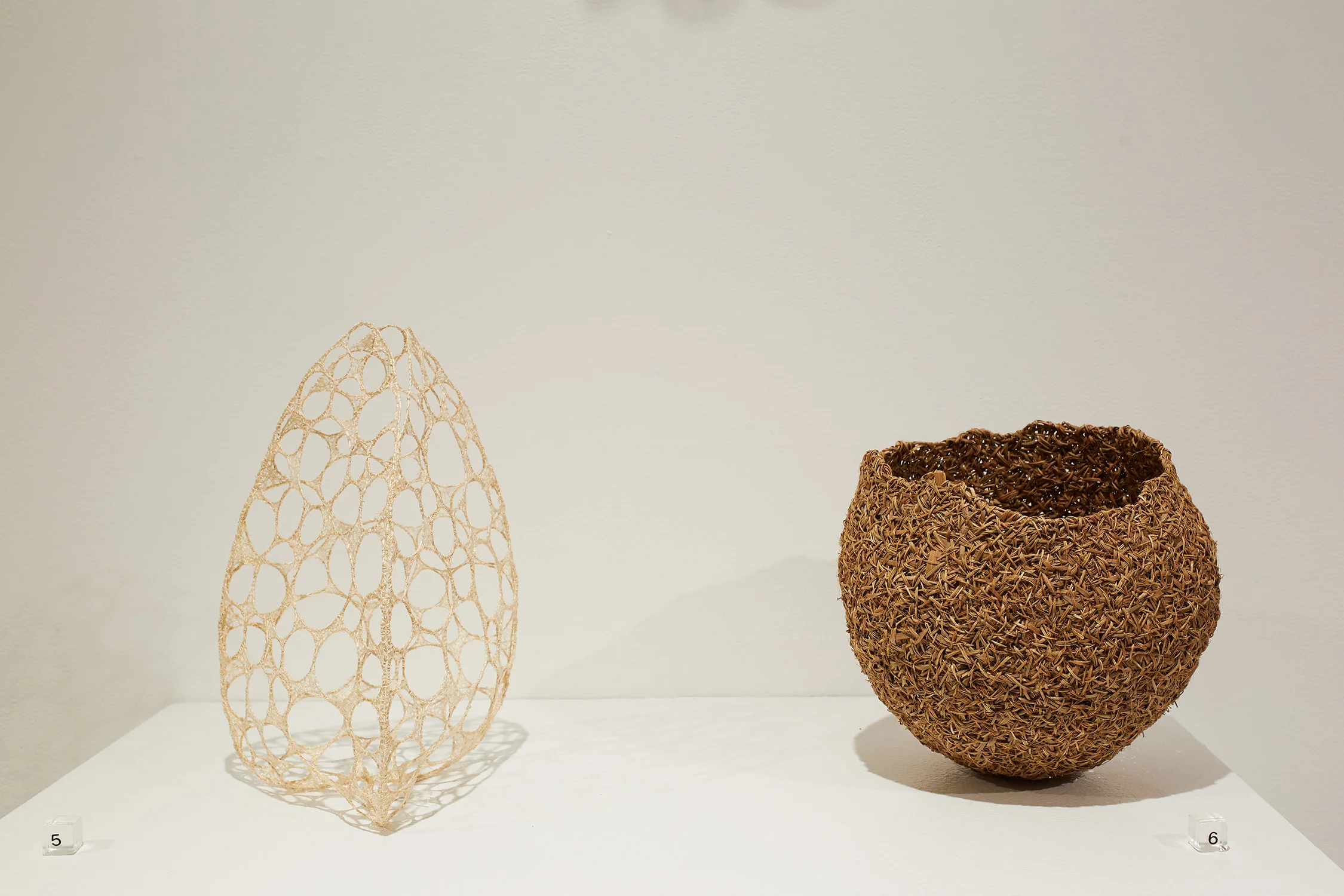
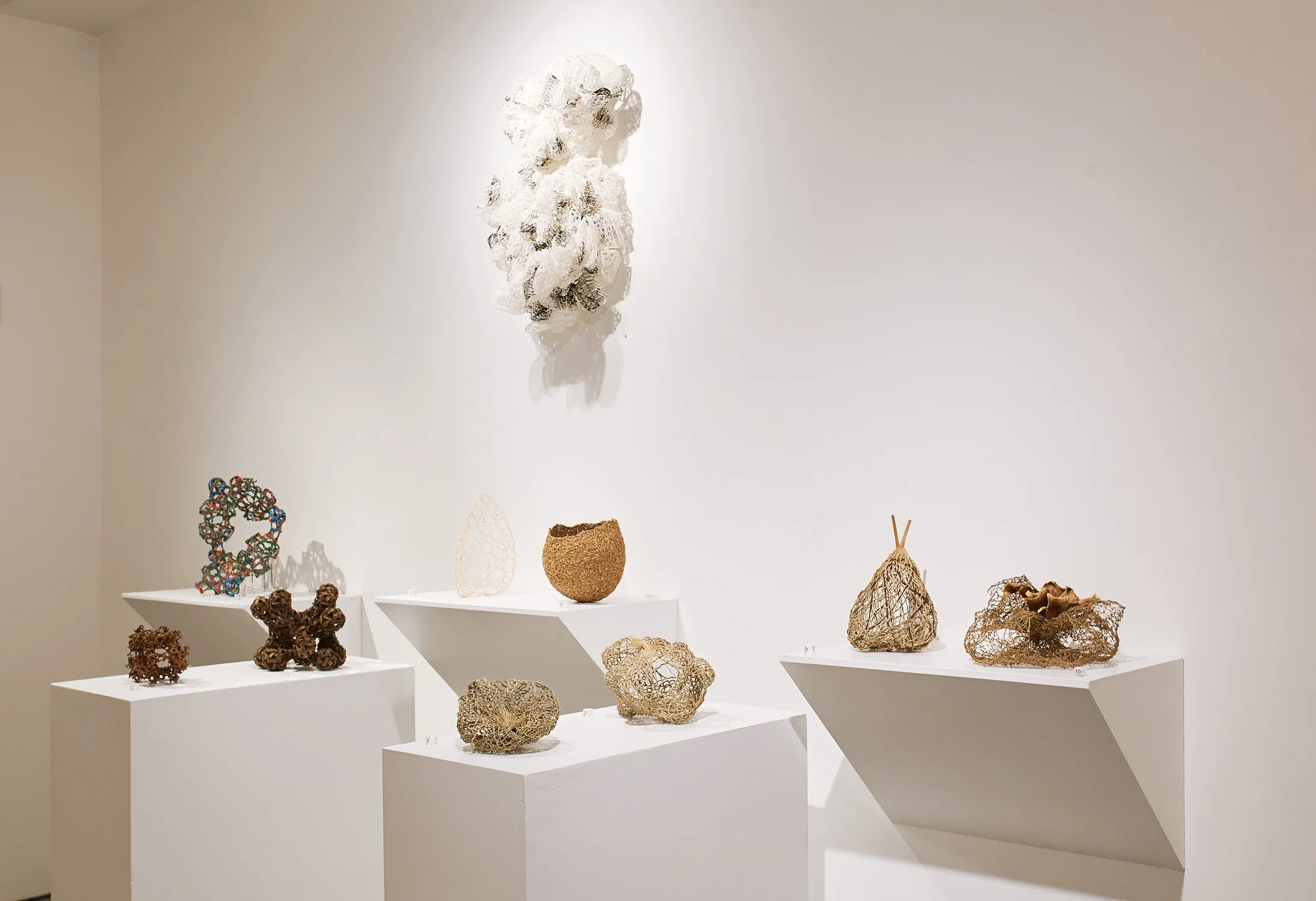
Rough Stuff: A Celebration of Wild Surface


ROUGH STUFF: A CELEBRATION OF WILD SURFACE
April 25 - May 25, 2019
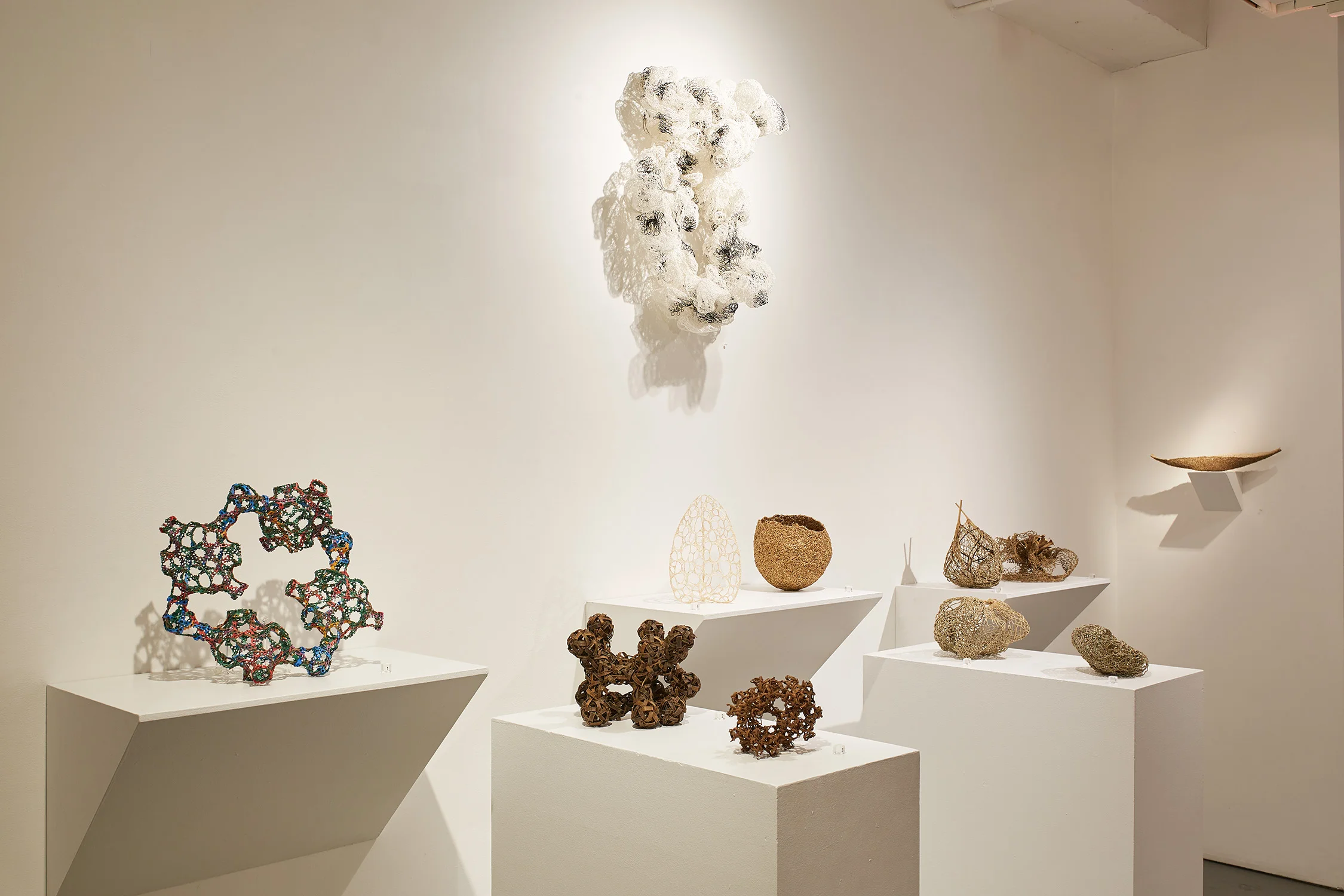
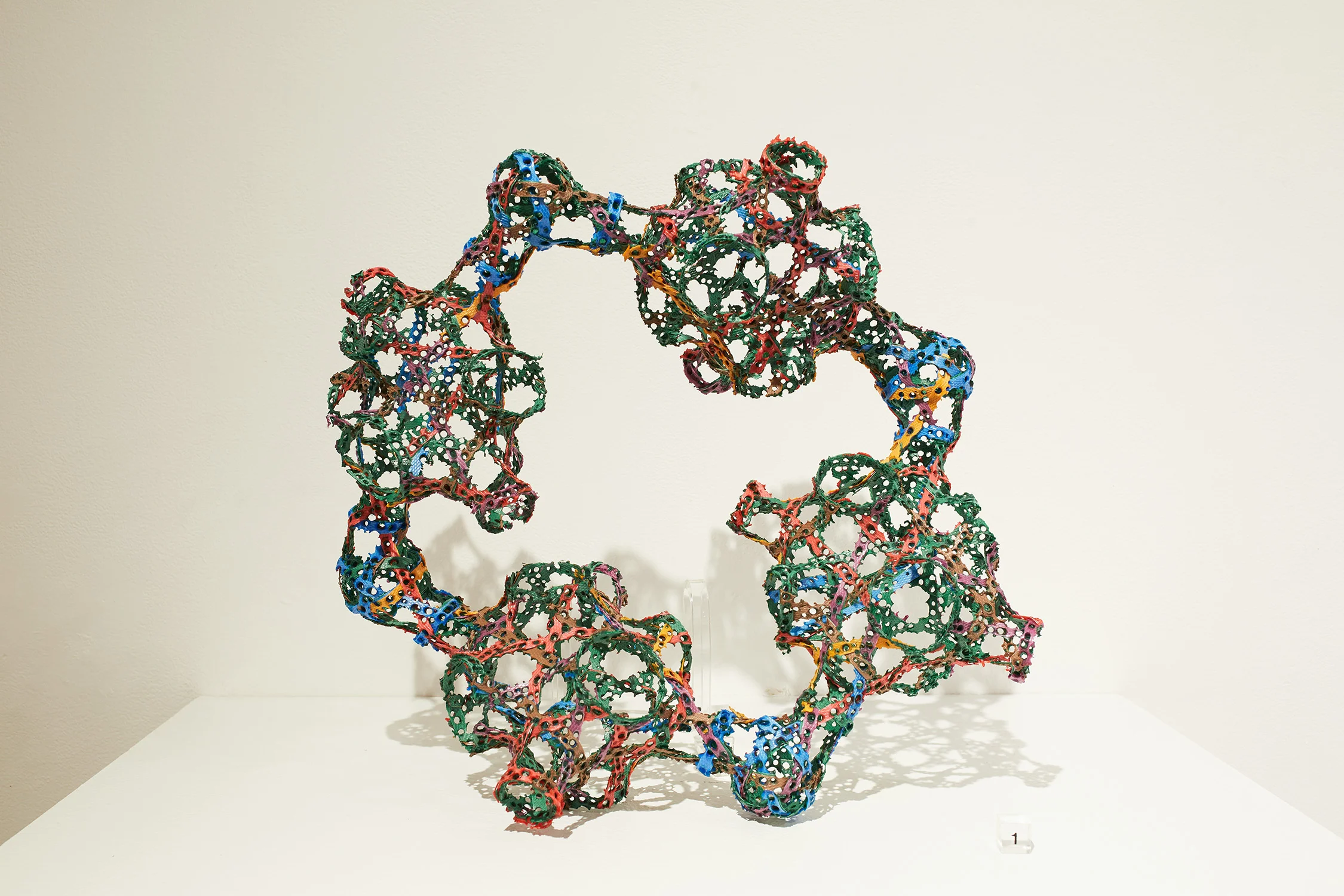
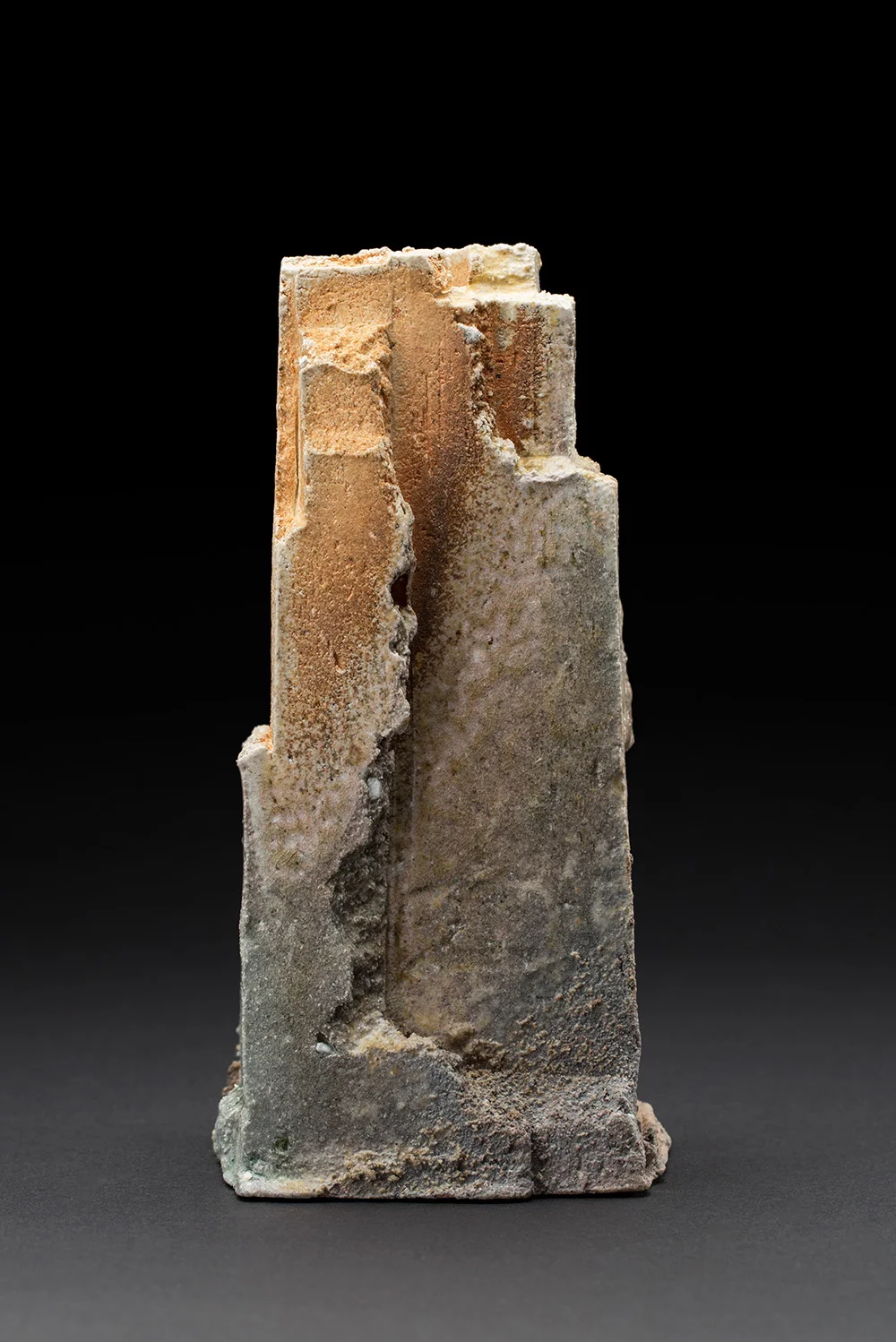
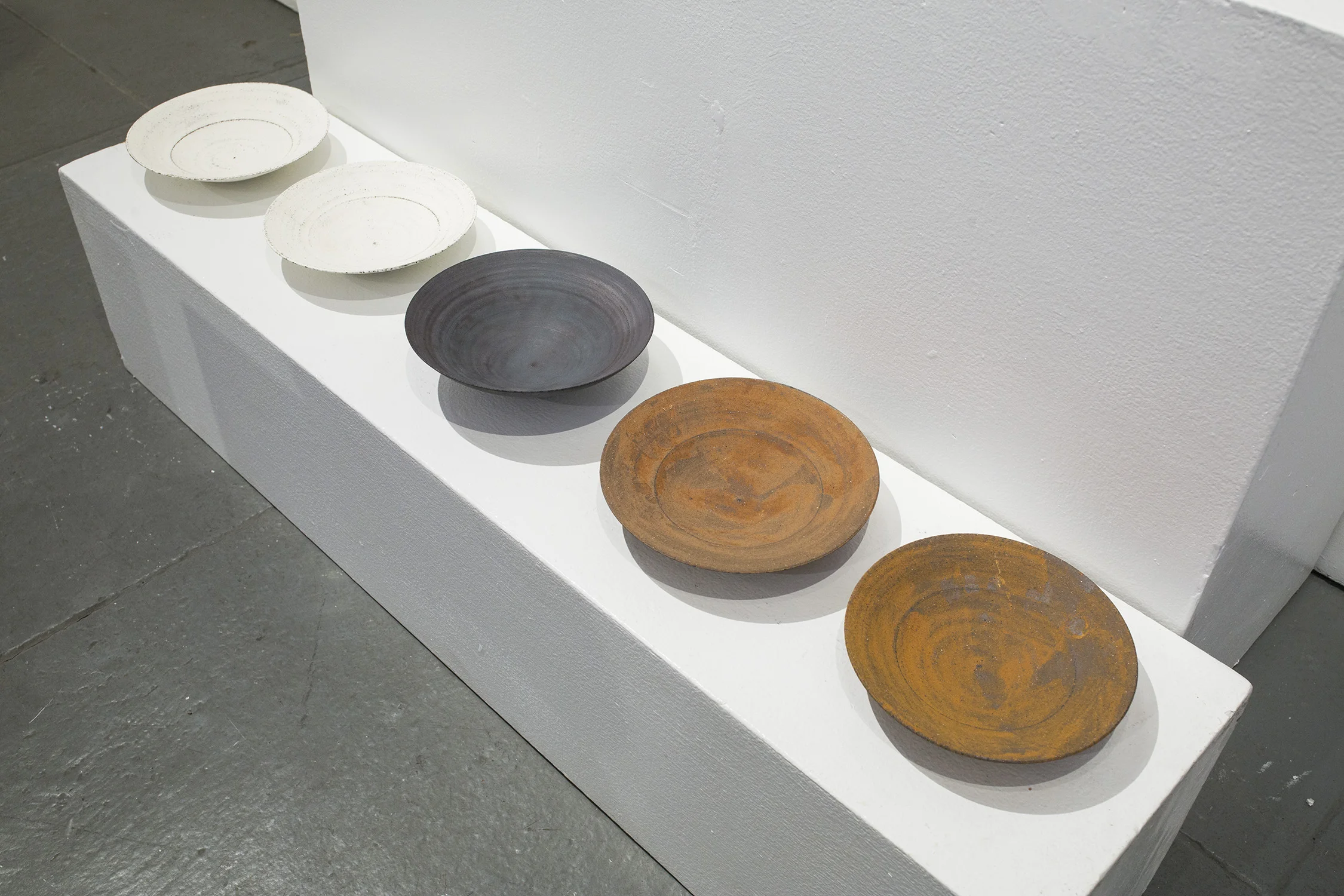
The title, “ROUGH STUFF” is a deliberately ambiguous play on words. The viewer might immediately expect an exhibition of wood-fired ceramics with great accumulations of ash, imbuing the surfaces with chthonic primordial landscapes. And yes, viewers will find some of that rich technique in this exhibition, but in fact, we had something else in mind.
We live in cynical times. In cynical times the first concept to be sacrificed to the beasts of dogma is most often ‘beauty’ or ‘grace’. To us, beauty makes rough and exquisite demands that the onlookers slow down and, however briefly, give themselves up to its call. Beauty becomes a warrior in a performance reaching back to archaic times.
We want the clay to live in this exhibition. It is common to link sculpted clay to landscape, but landscape is changing all the time right in front of us, especially now. Landscape is umbilically linked to Place, and the art that Cavin-Morris Gallery shows, from Art Brut to ceramics (sculptural as well as tea and sake), to ethnographic, has always been closely tied to the myriad ideas Place awakens in the artists’ mind. That vision of place runs the gamut from untouched and euphoric to dystopian.
That is really mean by ROUGH STUFF: a celebration of wild surface. It is an exploration of the idea that never has earth, air, fire and water been more interactive with our daily lives than now.
Like the tensed horse head in Picasso’s Guernica, our earth in all its beauty and ugliness is screaming to be heard. Through the translations of visionary artists, we can always hear its real voice.
Sculptors who use clay work with the raw essence of the planet that most of us take for granted. We wanted special work for this exhibition, and we found them, created by the remarkable artists we have shown for years, and welcoming some amazing sculptors we felt would augment the vision.
We deliberately chose to emphasize the non-utilitarian aspects of their creations, with very few exceptions. The artists experiment with local clays, they display edgy aesthetics, obsessively working surfaces both in naked clay and glazed, without losing their basic respect for the clay body.
For additional information please contact info@cavinmorris.com or call us at 212-226-3768.




The Doors of Perception at Frieze NY (May 2-5)




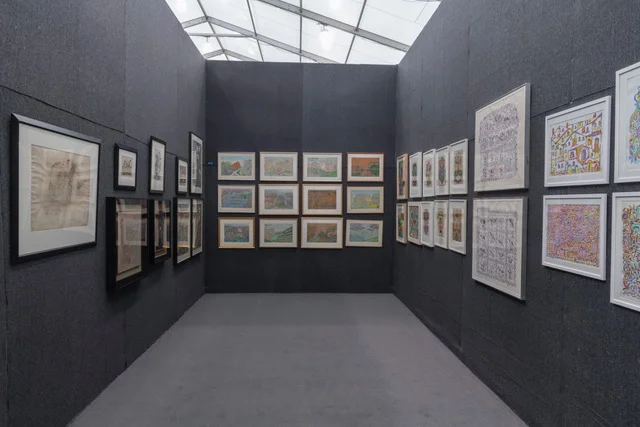
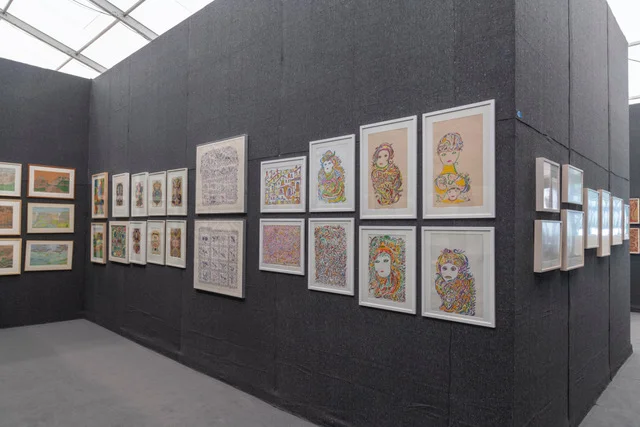
The Outsider Art Fair is excited to announce The Doors Of Perception, a unique project in collaboration with Frieze New York curated by the artist Javier Téllez. The exhibition will feature over forty visionary artists from around the world, including works by Noviadi Angkasapura (b. 1979, Indonesia), Frédéric Bruly Bouabré (1923–2014, Ivory Coast), Henry Darger (1892-1973, USA), Janko Domsic (1915-1983, Croatia/France), Minnie Evans (1892-1987, USA), Guo Fengyi (1942–2010, China), Martín Ramírez (1895-1963, Mexico/USA), Judith Scott (1943-2005, USA), Melvin Way (b. 1954, USA), George Widener (b. 1962, USA), Adolf Wölfli (1864–1930, Switzerland), Anna Zemánkova (1908–1986, Czech Republic), and Unica Zürn (1916-1970, Germany) among many others. Works will be sourced through OAF participating galleries including Henry Boxer, Cavin-Morris, Creative Growth Art Center, Andrew Edlin, Carl Hammer, Galerie Pol Lemétais, Polysémie, Ricco/Maresca, SHRINE, as well as borrowed from private collections.
The Doors of Perception focuses on the visionary nature of art commonly known as outsider art, art brut, or self-taught art. The exhibition presents a large constellation of works made by exceptionally gifted artists from five continents, offering a panorama of art created on the margins of society. Whether psychiatric patients, self-taught visionaries, or mediums, each of the artists in the exhibition felt at some point in their life the need to create an artistic language of their own in order to reveal what they understood to be the true nature of things. Often disenfranchised because of their mental condition or social status and without any previous artistic training, many of the artists exhibited here dedicated their lives obsessively to the creation of complex visual representations, often after experiencing a life-changing epiphany. A meeting with a supernatural power—whether an encounter with the divine, spirits of the dead, or extraterrestrial beings—might have triggered this impulse to create. These remarkable events produced strong centrifugal forces that drove the artists from chaos to order, opening for them “doors of perception” to a transcendental reality that, in many cases, helped them survive their otherwise unstable life.
The artists included in the exhibition are, as Sol Lewitt described conceptual artists, “rather mystics than rationalists. They leap to conclusions that logic cannot reach.” Their many artistic languages not only question our beliefs about madness and normalcy, but also subvert the notion of reality as we conceive it. The theme of transformation is recurrent in their works: the body is perceived as a multiple entity (Domsic, Fengyi, Charles Steffen, Carlo Zinelli, Zürn), the human and the animal merge (Angkasapura, Friedrich Schröder-Sonnenstern, Shinichi Sawada, Sava Sekulić), fantastic architectures grow as if they were part of the natural world (Eugene Von Bruenchenhein, William Hall, Marcel Storr), imaginary worlds are filled with extraterrestrial animal, plants, and minerals in dreamlike landscapes (Darger, Joseph Yoakum, Zemánková). Notions of inside and outside permeate so inner and outer are perceived as fluid entities with internal organs and bones made visible in portraits of the body (Angkasapura, Fengyi, Luboš Plný). Everything is represented in a state of “becoming,” so the boundaries between self and space collapse and a new understanding of reality arises, presenting us with a perception that is characteristic of mystic visions.
Truly utopian, the visionary artists represent the world anew, so they often think of the future as a parallel dimension to the present (Hall, Prophet Royal Robertson, Widener, Wölfli). For them, time is a perpetual possibility, having invented codes to access a new consciousness beyond the flat world of appearances (John Devlin, Ionel Talpazan, Way, Widener). As William Blake wrote: “If the doors of perception were cleansed everything would appear to man as it is, Infinite.”
– Javier Téllez
Participating Exhibitors:
American Primitive, New York
Henry Boxer Gallery, Richmond, UK
Chris Byrne, Dallas, TX
Cavin-Morris Gallery, New York
Creative Growth Art Center, Oakland, CA
Andrew Edlin Gallery, New York
La Fabuloserie, Paris
Carl Hammer, Chicago
Jennifer Lauren Gallery, Manchester, UK
Galerie Pol Lemetais, Saint Sever du Moustier, France
Magnin-A, Paris
Galerie du moineau écarlate, Paris
Galerie Polysemie, Marseille, France
Ricco/Maresca Gallery, New York
SHRINE, New York
Ubu Gallery, New York
Frieze New York
May 2-5, 2019 Randall's Island Park
Hours:
Wednesday Preview, May 1 (invitation only).
Thursday Preview, May 2, 11am-7pm
Thursday Private View, May 2, 4pm-7pm
Friday, May 3, 11am-7pm
Saturday, May 4, 11am-6pm
Sunday, May 5, 11am-6pm
HOW TO GET TO FRIEZE




AKIHIRO NIKAIDO: NEW WORKS


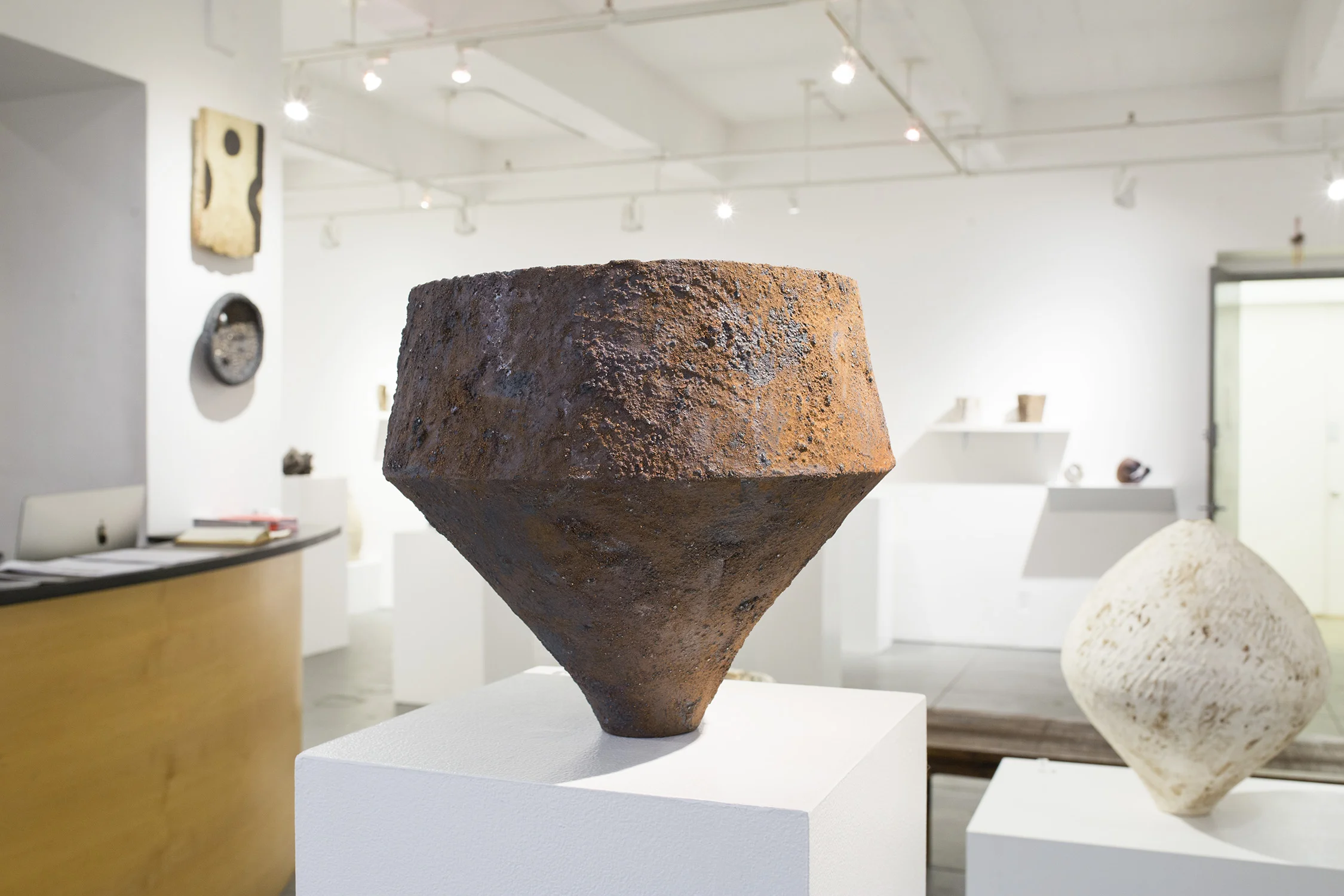
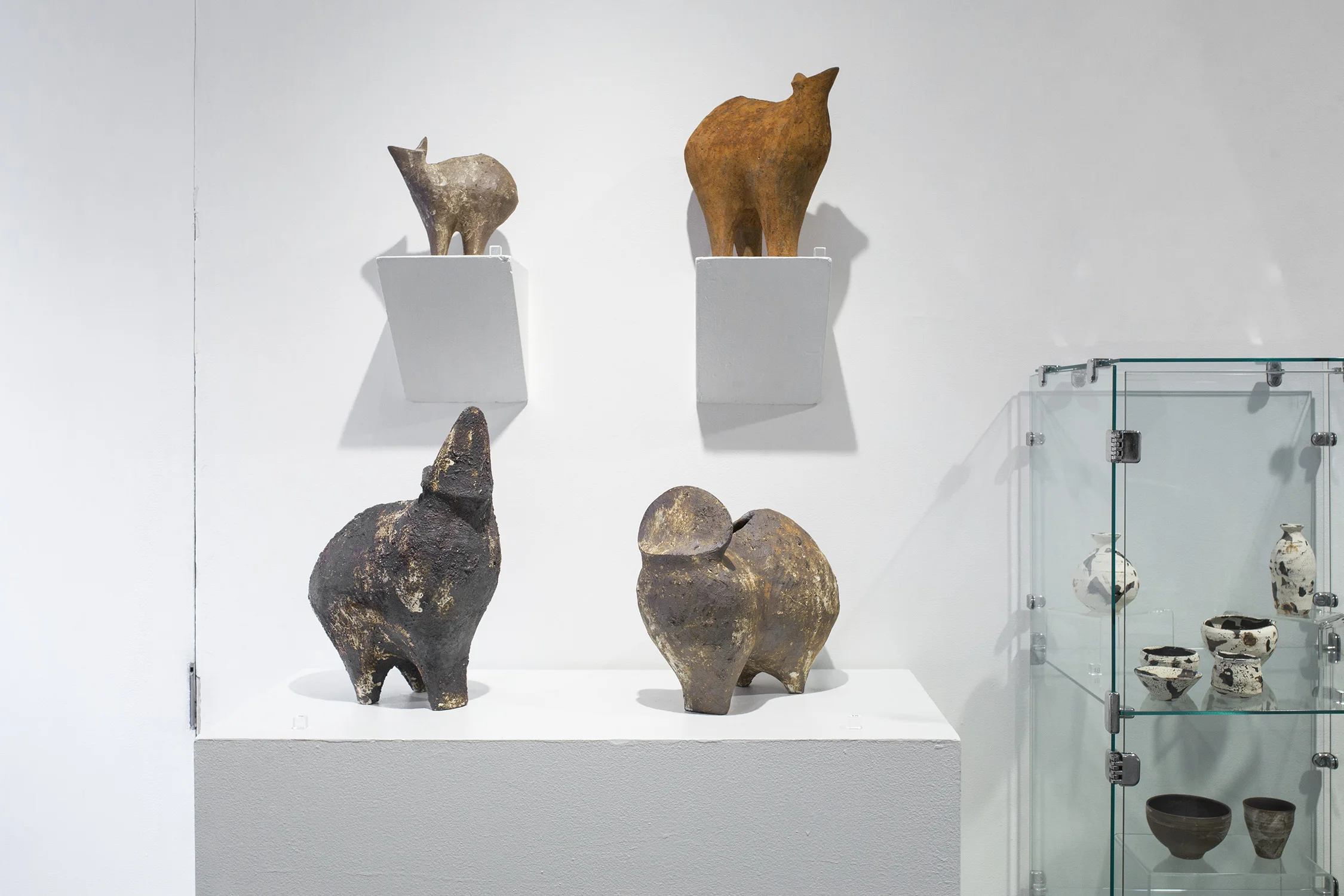
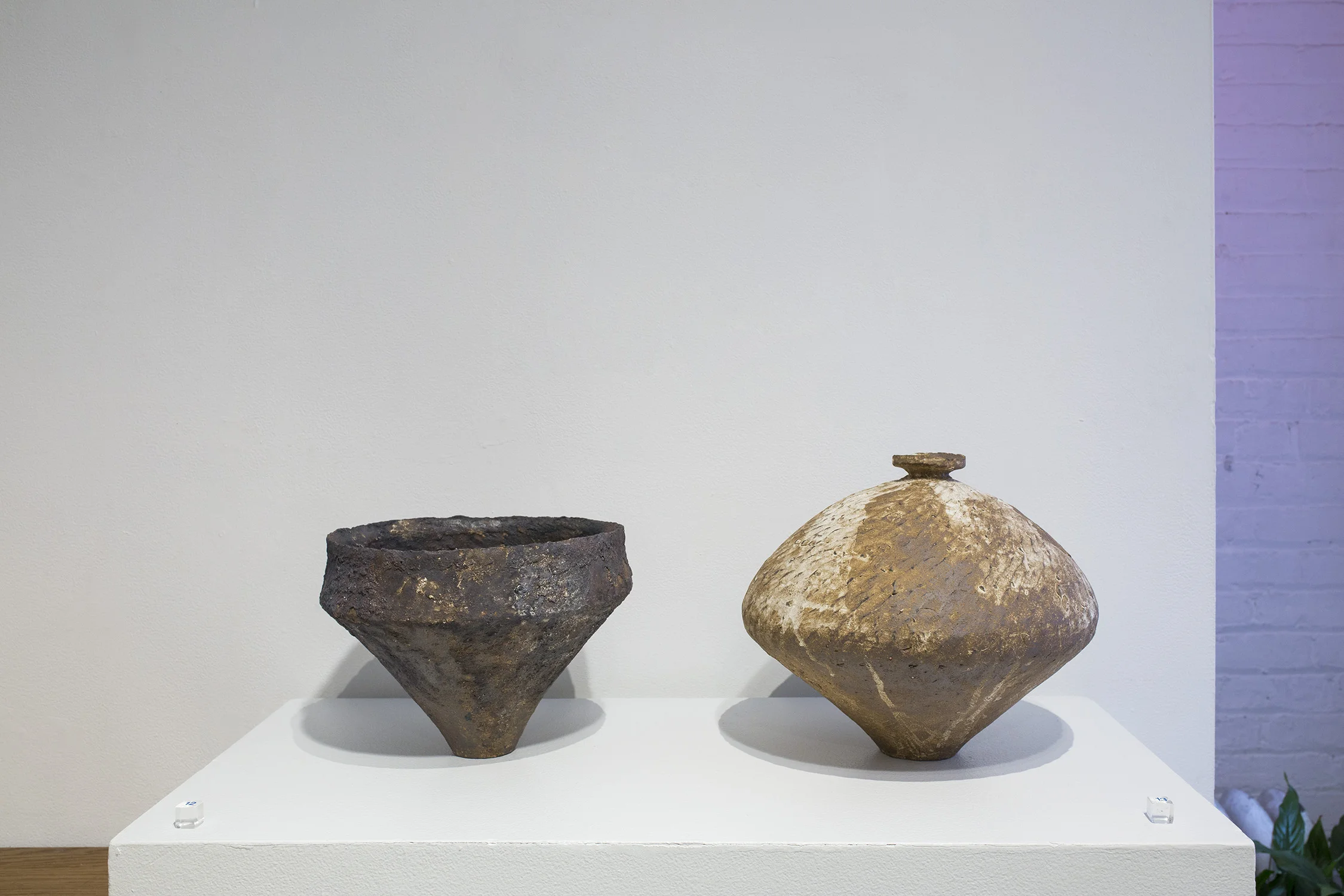
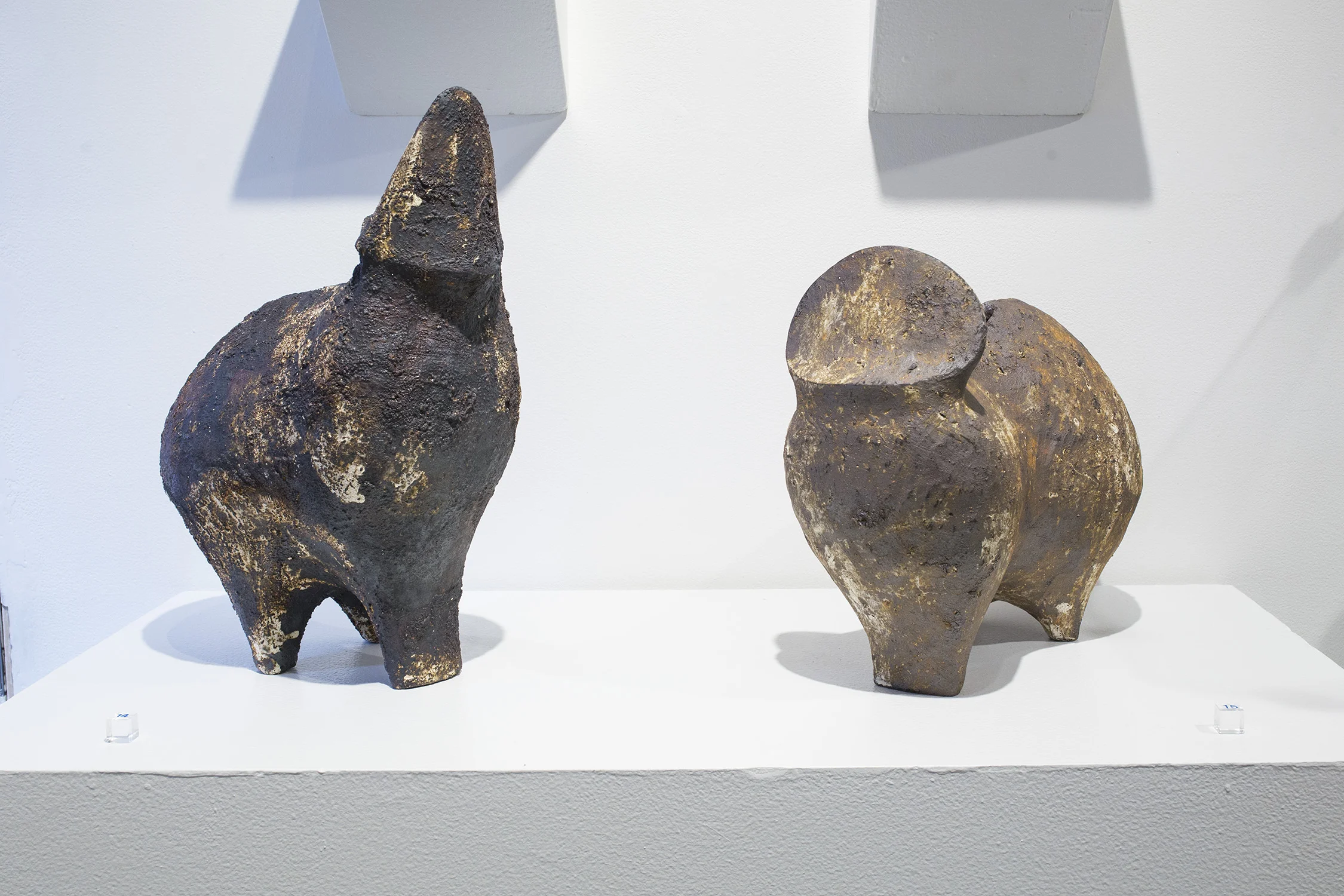




AKIHIRO NIKAIDO: NEW WORKS
(May 2 - May 25, 2019)
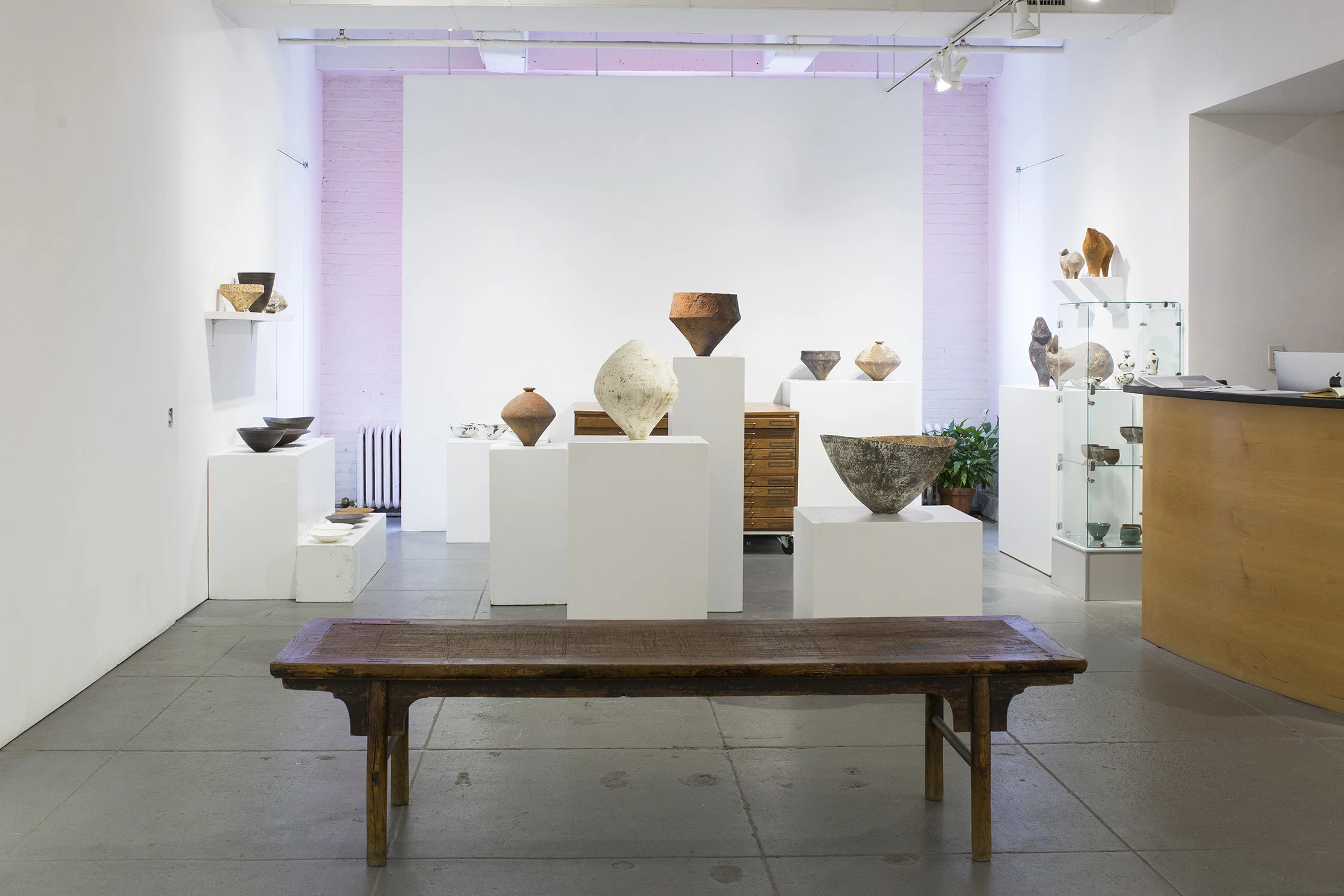
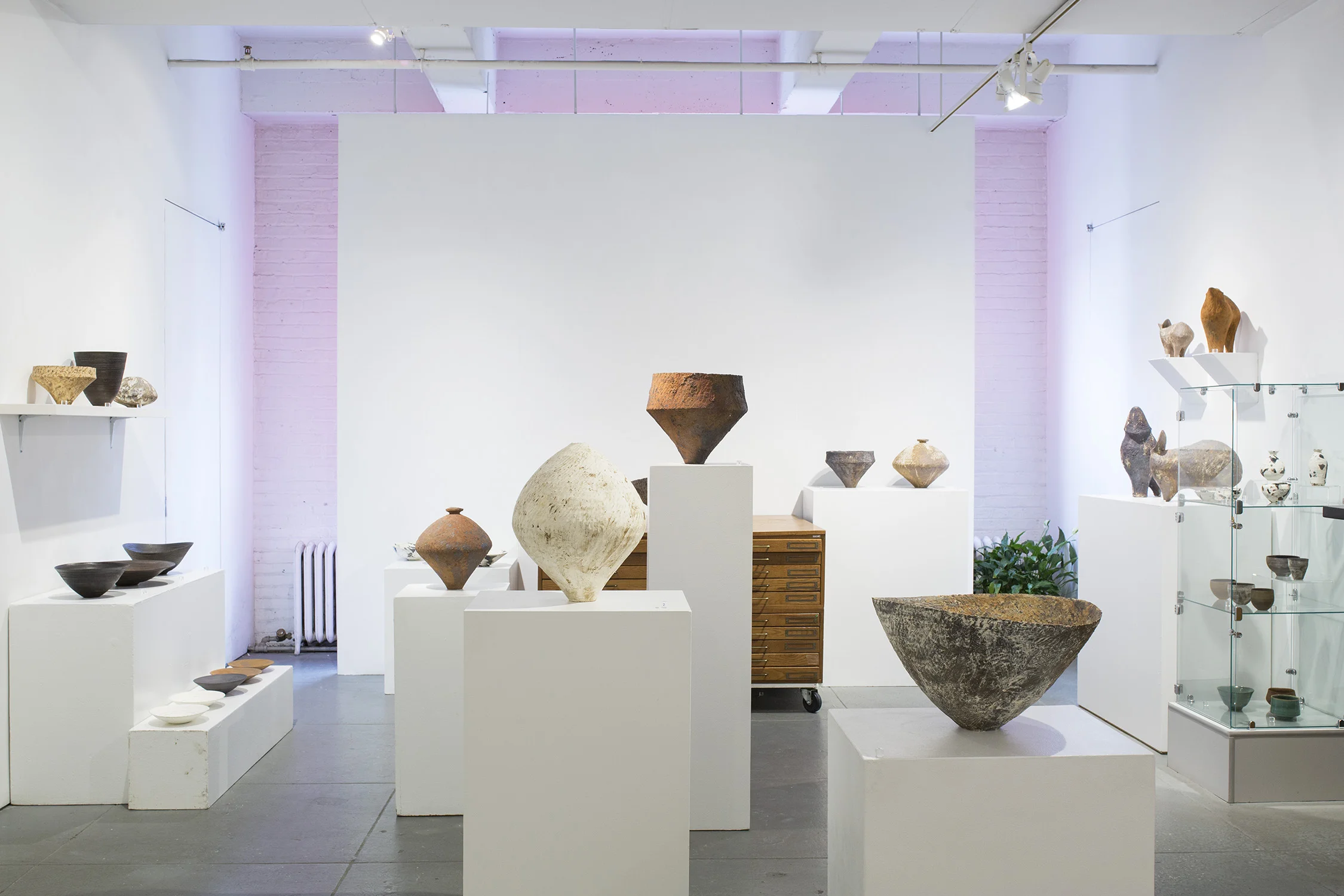
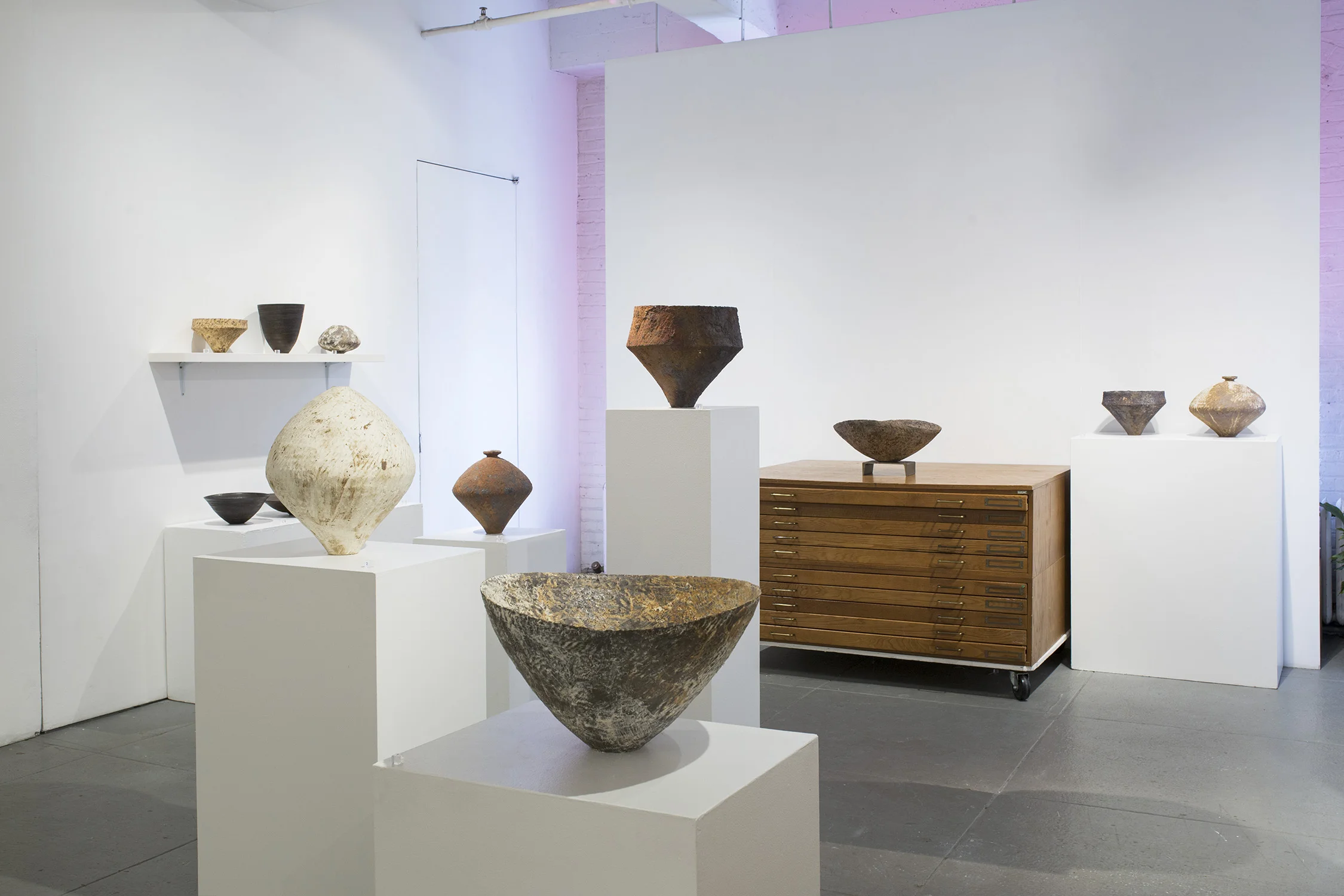
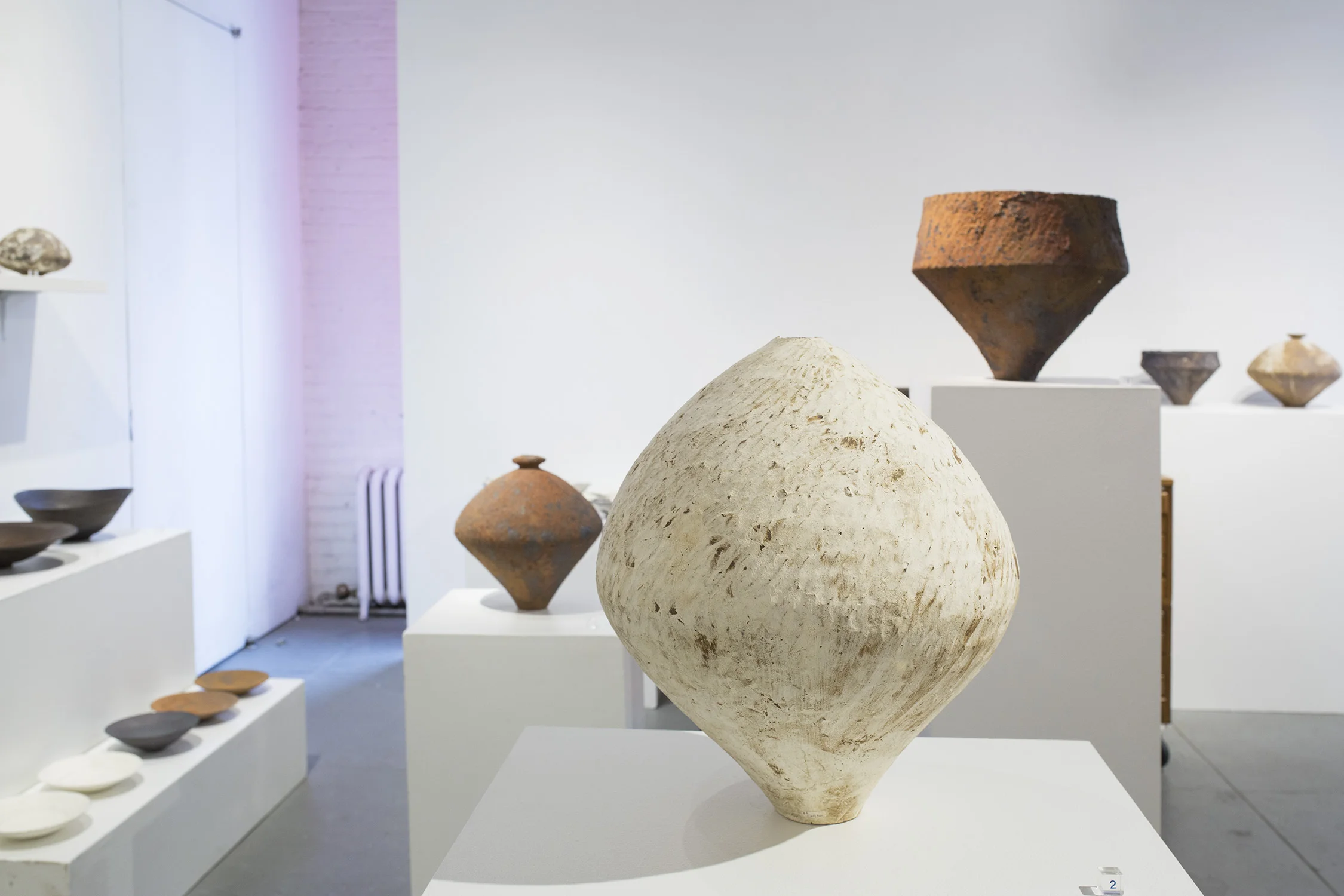
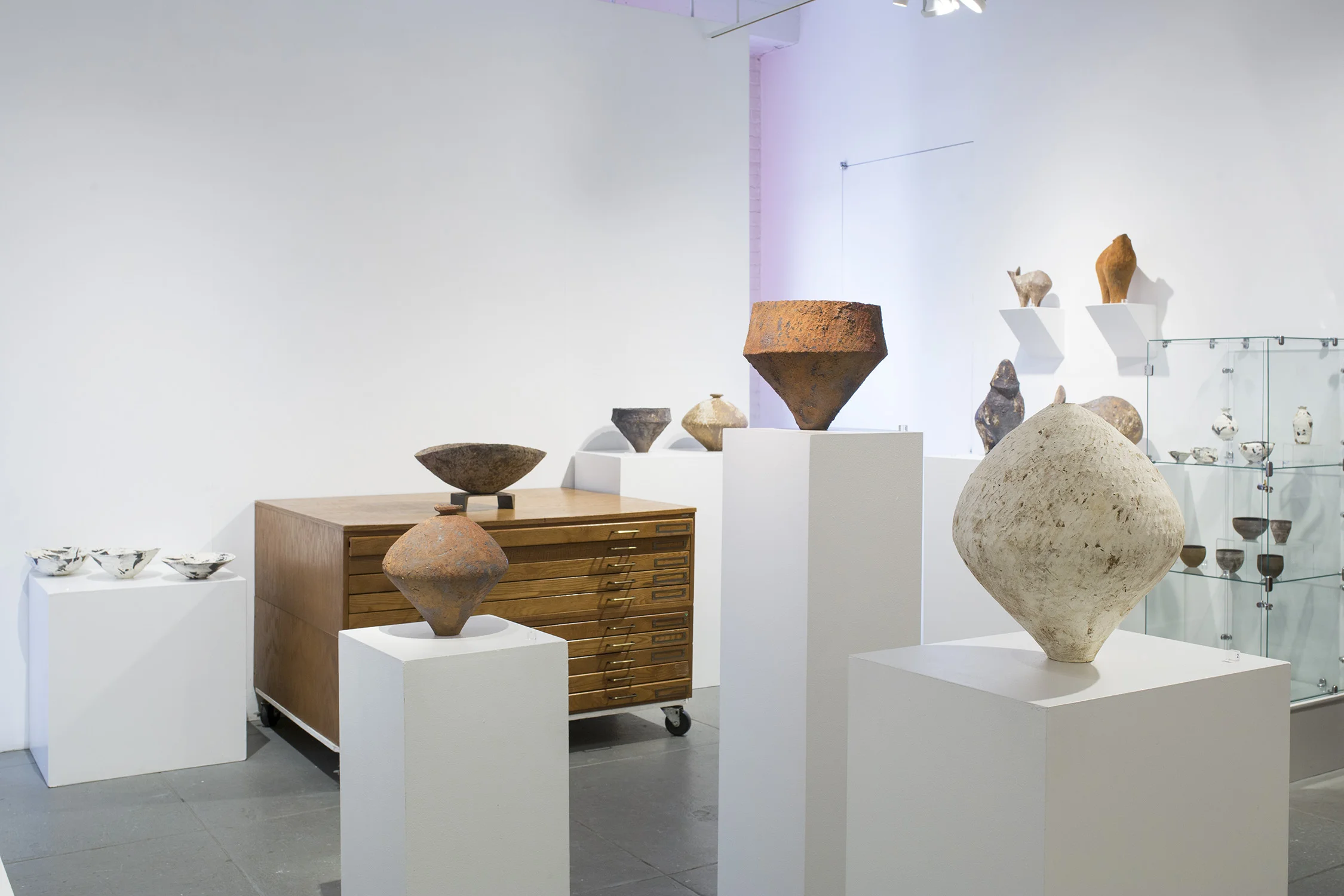
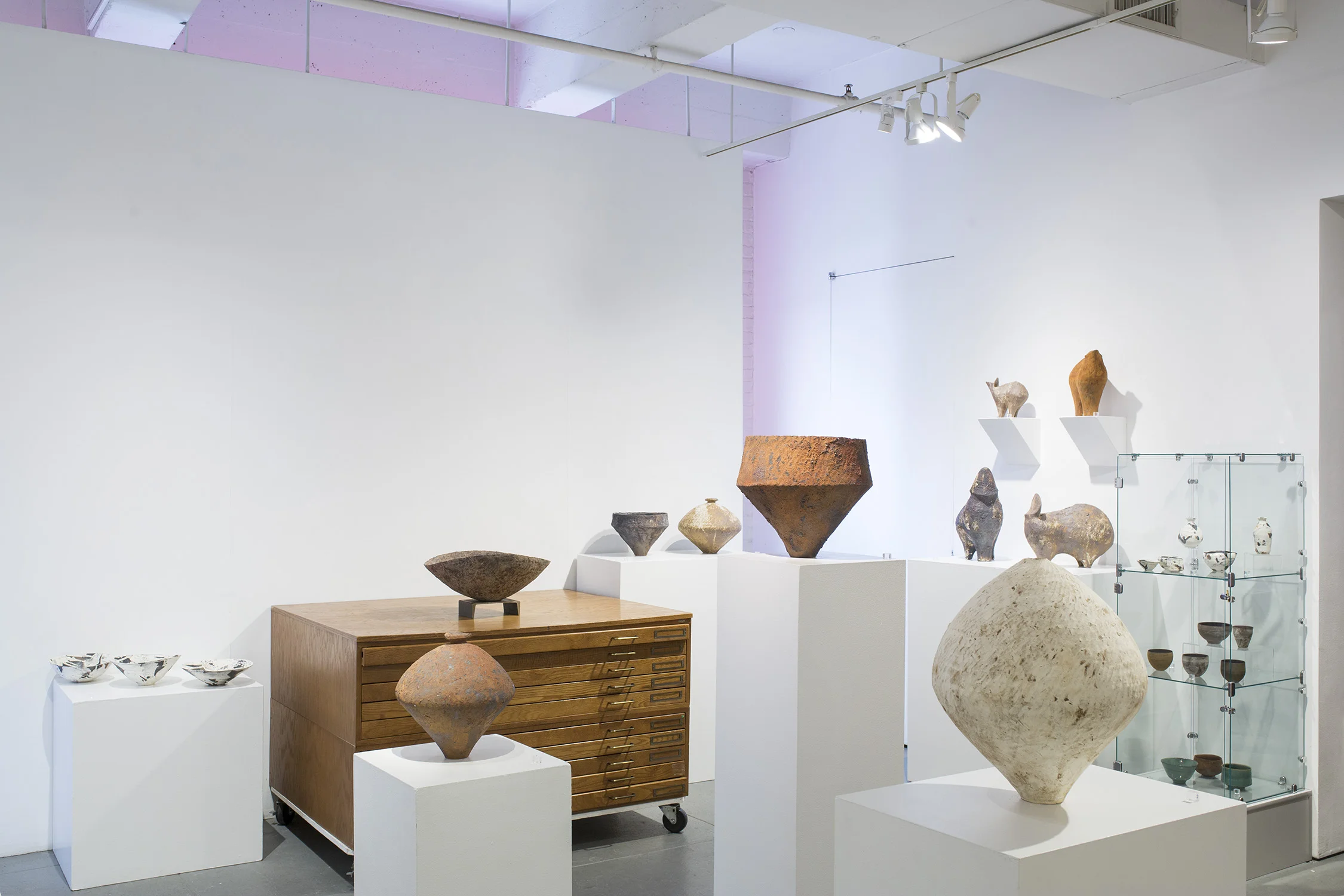
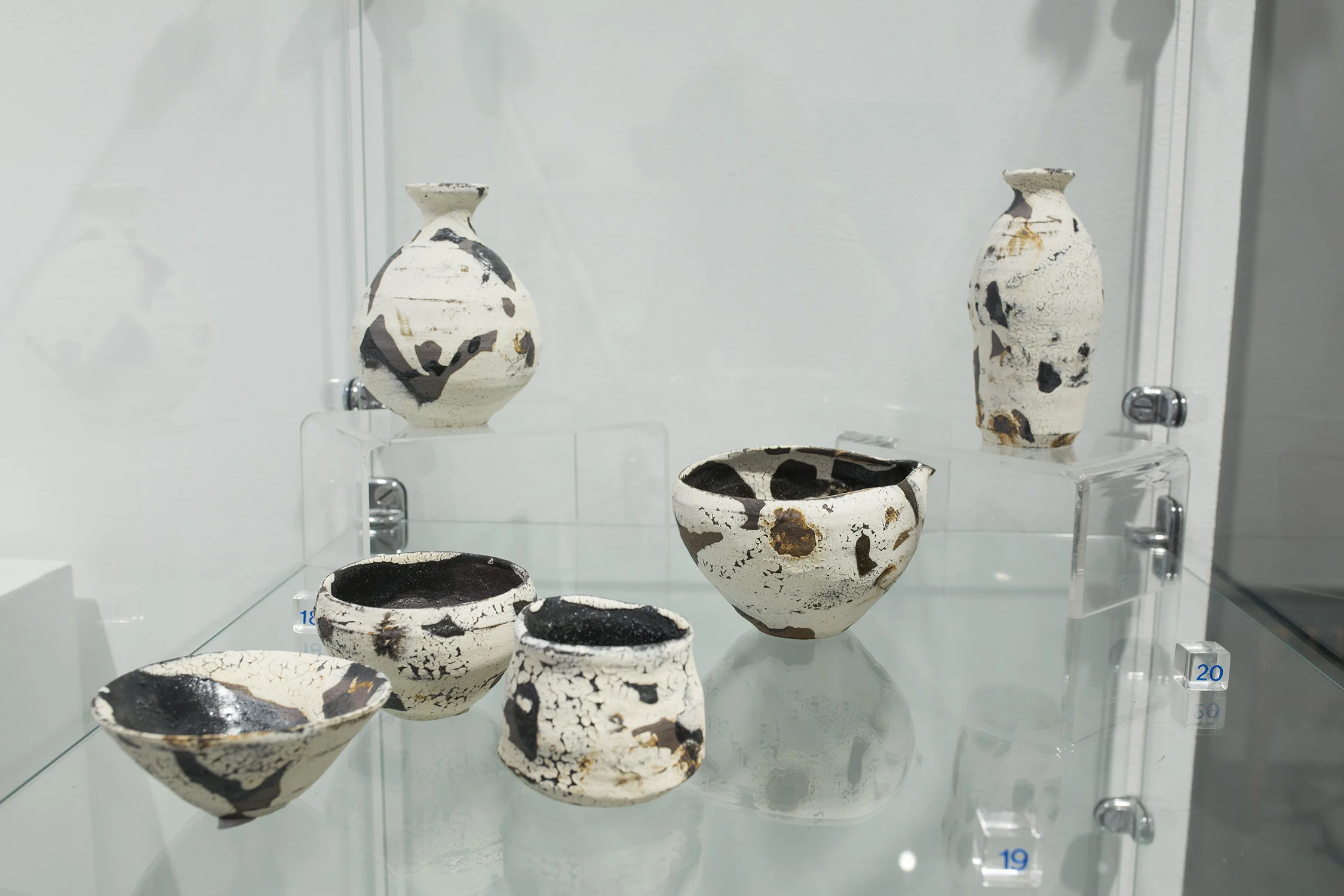
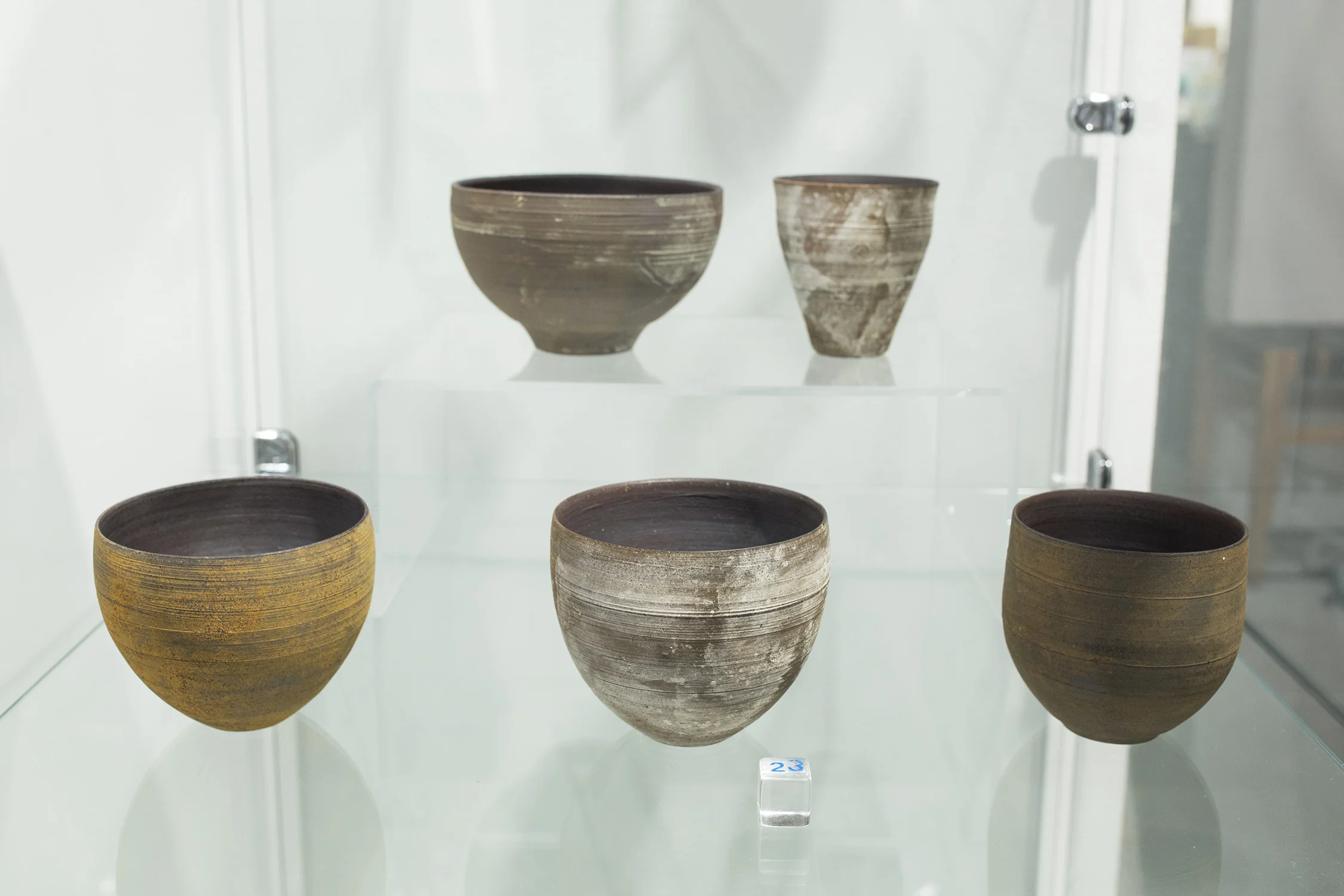
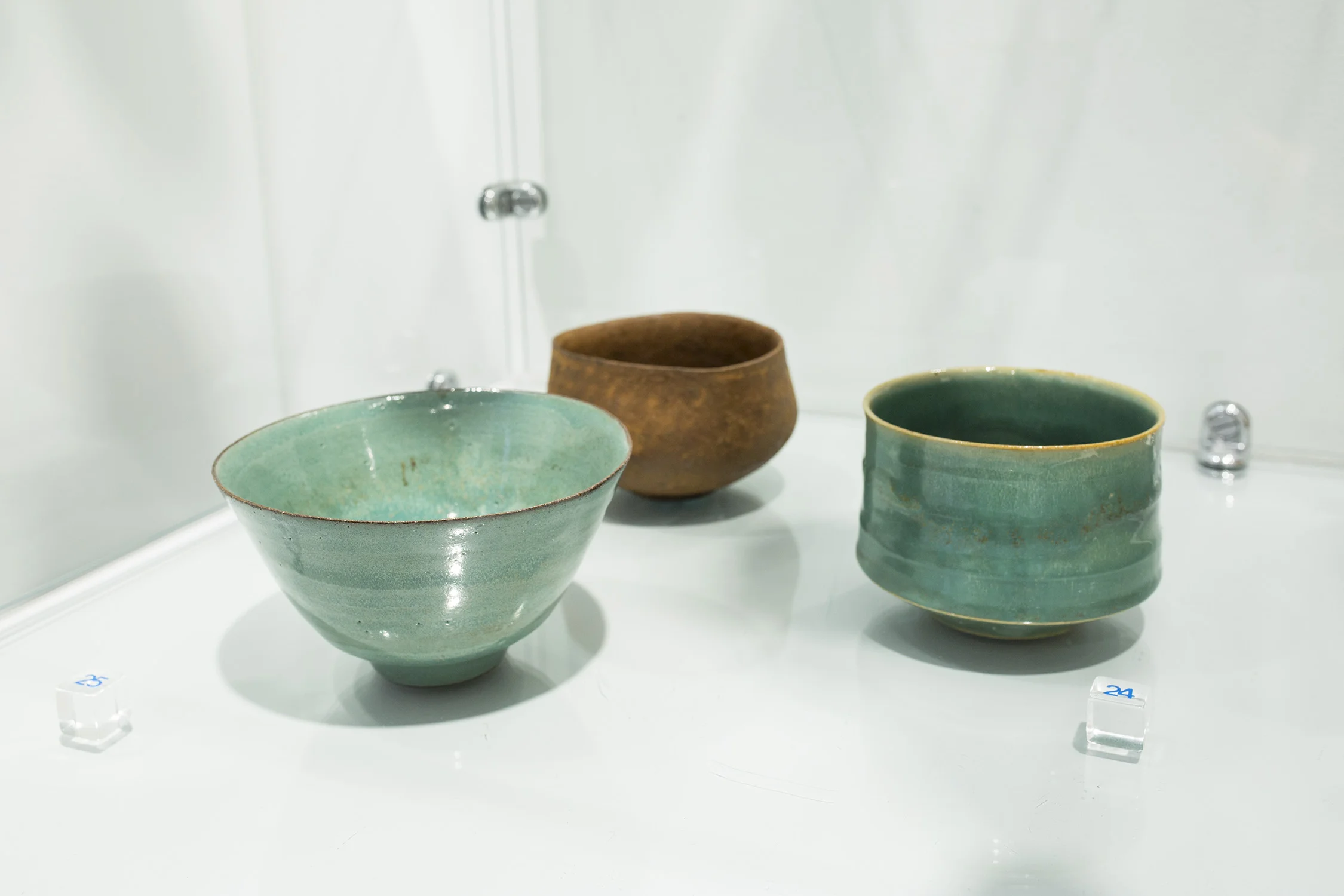
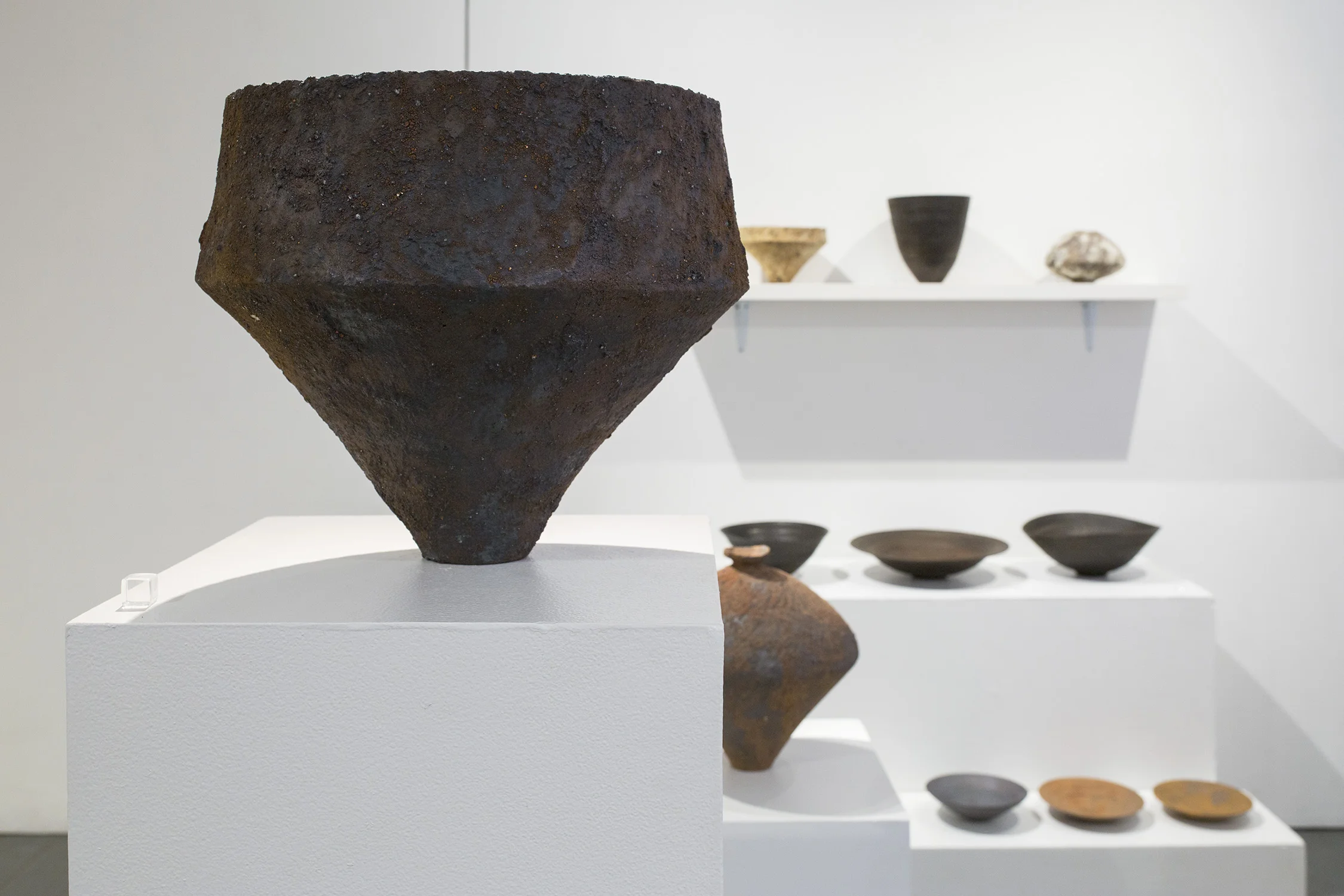
Many young ceramists in Japan have Masters who guide them in their clay experiences. A phenomenon in Japan now is that there are many younger ceramists who do not have Masters and need a forum for announcing their presence and exhibiting their works. Nine years ago Akihiro Nikaido formed a group in Mashiko called Toh-ism to give a presence and a voice to these younger potters. He has come into his own as a remarkable ceramist himself.
His works display a concept known in Japan as Yugen: the ability to suggest, rather than bluntly display. This is an essential aesthetic of subtlety and at the same time, of mystery. Another way to think of this is to consider the minimum an artist needs to depict in order to infer and intimate so much more. It is a complete immersion in the present of a quintessential moment, such as watching a magnificent bird disappear into the horizon or the sun burnishing a hillside with brilliant gold in the instant before it disappears. The concept of Yugen illuminates why the brief efflorescence of cherry trees blooming and disappearing so quickly becomes a metaphor for the transience of life itself.
Nikaido’s ceramics never lose their maker’s fascination and love for the physical richness of the clay. The surfaces seem powdery and ephemeral and the shapes are ancient and modern at the same time, giving them a restless almost metaphysical strength. I am always amazed at how light his chawan are when you lift them. One can easily see this quality transferred to the tea ceremony for which he makes pieces as well.
On opening night ikebana Master Mario Hirama, who has worked with Nikaido many times will perform a flower ceremony. If last year was any indication the presentation was dramatic and full of surprises and we hope you will attend and see this remarkable spotlight on an artist coming into his prime. In addition to the flower ceremony, there will be a calligraphy performance by Satoshi Nemoto, and a tea ceremony by Souheki Mori.
For additional information please contact info@cavinmorris.com or call us at 212-226-3768.
Frieze (May 2-5)

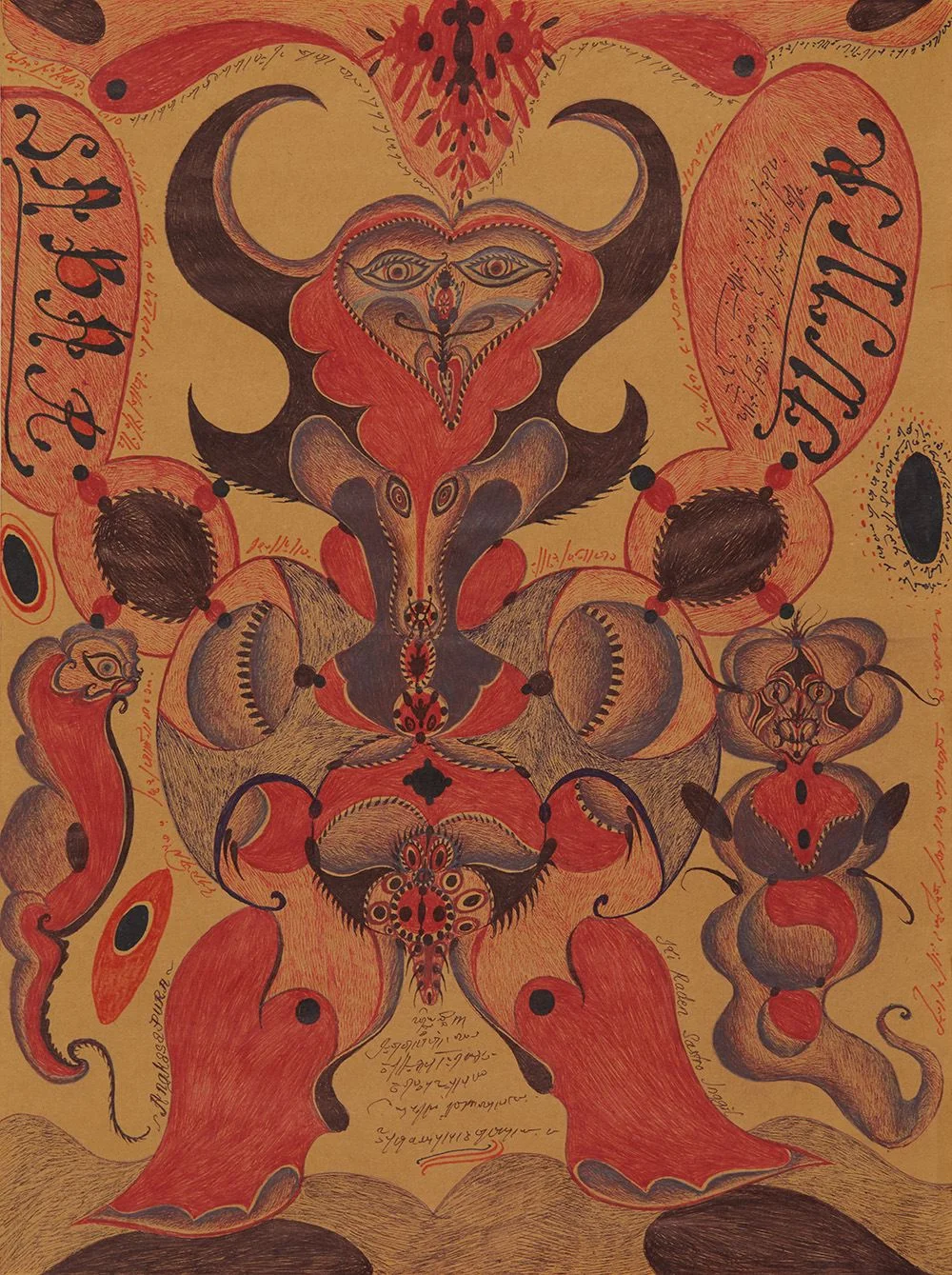
Anna Zemánková
Untitled, Early 1960s
Pastel on paper
33 x 23.5 inches
83.8 x 59.7 cm
AZe 644
The Outsider Art Fair is excited to announce The Doors Of Perception, a unique project in collaboration with Frieze New York curated by the artist Javier Téllez. The exhibition will feature over forty visionary artists from around the world, including works by Noviadi Angkasapura (b. 1979, Indonesia), Frédéric Bruly Bouabré (1923–2014, Ivory Coast), Henry Darger (1892-1973, USA), Janko Domsic (1915-1983, Croatia/France), Minnie Evans (1892-1987, USA), Guo Fengyi (1942–2010, China), Martín Ramírez (1895-1963, Mexico/USA), Judith Scott (1943-2005, USA), Melvin Way (b. 1954, USA), George Widener (b. 1962, USA), Adolf Wölfli (1864–1930, Switzerland), Anna Zemánkova (1908–1986, Czech Republic), and Unica Zürn (1916-1970, Germany) among many others. Works will be sourced through OAF participating galleries including Henry Boxer, Cavin-Morris, Creative Growth Art Center, Andrew Edlin, Carl Hammer, Galerie Pol Lemétais, Polysémie, Ricco/Maresca, SHRINE, as well as borrowed from private collections.
The Doors of Perception focuses on the visionary nature of art commonly known as outsider art, art brut, or self-taught art. The exhibition presents a large constellation of works made by exceptionally gifted artists from five continents, offering a panorama of art created on the margins of society. Whether psychiatric patients, self-taught visionaries, or mediums, each of the artists in the exhibition felt at some point in their life the need to create an artistic language of their own in order to reveal what they understood to be the true nature of things. Often disenfranchised because of their mental condition or social status and without any previous artistic training, many of the artists exhibited here dedicated their lives obsessively to the creation of complex visual representations, often after experiencing a life-changing epiphany. A meeting with a supernatural power—whether an encounter with the divine, spirits of the dead, or extraterrestrial beings—might have triggered this impulse to create. These remarkable events produced strong centrifugal forces that drove the artists from chaos to order, opening for them “doors of perception” to a transcendental reality that, in many cases, helped them survive their otherwise unstable life.
The artists included in the exhibition are, as Sol Lewitt described conceptual artists, “rather mystics than rationalists. They leap to conclusions that logic cannot reach.” Their many artistic languages not only question our beliefs about madness and normalcy, but also subvert the notion of reality as we conceive it. The theme of transformation is recurrent in their works: the body is perceived as a multiple entity (Domsic, Fengyi, Charles Steffen, Carlo Zinelli, Zürn), the human and the animal merge (Angkasapura, Friedrich Schröder-Sonnenstern, Shinichi Sawada, Sava Sekulić), fantastic architectures grow as if they were part of the natural world (Eugene Von Bruenchenhein, William Hall, Marcel Storr), imaginary worlds are filled with extraterrestrial animal, plants, and minerals in dreamlike landscapes (Darger, Joseph Yoakum, Zemánková). Notions of inside and outside permeate so inner and outer are perceived as fluid entities with internal organs and bones made visible in portraits of the body (Angkasapura, Fengyi, Luboš Plný). Everything is represented in a state of “becoming,” so the boundaries between self and space collapse and a new understanding of reality arises, presenting us with a perception that is characteristic of mystic visions.
Truly utopian, the visionary artists represent the world anew, so they often think of the future as a parallel dimension to the present (Hall, Prophet Royal Robertson, Widener, Wölfli). For them, time is a perpetual possibility, having invented codes to access a new consciousness beyond the flat world of appearances (John Devlin, Ionel Talpazan, Way, Widener). As William Blake wrote: “If the doors of perception were cleansed everything would appear to man as it is, Infinite.”
– Javier Téllez
Participating Exhibitors:
American Primitive, New York
Henry Boxer Gallery, Richmond, UK
Chris Byrne, Dallas, TX
Cavin-Morris Gallery, New York
Creative Growth Art Center, Oakland, CA
Andrew Edlin Gallery, New York
La Fabuloserie, Paris
Carl Hammer, Chicago
Jennifer Lauren Gallery, Manchester, UK
Galerie Pol Lemetais, Saint Sever du Moustier, France
Magnin-A, Paris
Galerie du moineau écarlate, Paris
Galerie Polysemie, Marseille, France
Ricco/Maresca Gallery, New York
SHRINE, New York
Ubu Gallery, New York
Frieze New York
May 2-5, 2019 Randall's Island Park
Hours:
Wednesday Preview, May 1 (invitation only).
Thursday Preview, May 2, 11am-7pm
Thursday Private View, May 2, 4pm-7pm
Friday, May 3, 11am-7pm
Saturday, May 4, 11am-6pm
Sunday, May 5, 11am-6pm
HOW TO GET TO FRIEZE
About Javier Téllez
For the past twenty years, artist Javier Téllez (b. 1969, Valencia, Venezuela) has been making films in collaboration with people living with mental illness. Both of Téllez’s parents were psychiatrists, so he grew up in contact with people affected by mental illness; it was natural that it would become the main subject of his work.
Throughout his career, Téllez has been interested in outsider art /art brut/ self-taught art and has been studying the subject for many years. Previously, he curated an exhibition at the Prinzhorn Collection (Heidelberg) that focused on the works of mentally ill artists that were loaned by the University of Heidelberg to the infamous exhibition Entartete Kunst (Munich, 1937). In his own work, Téllez reflects a sustained interest in bringing peripheral communities and invisible situations to the fore of contemporary art, addressing institutional dynamics, disability, and mental illness as marginalizing conditions. Téllez’s projects have often involved working in collaboration with people diagnosed with mental illness to produce film installations that question the notions of the normal and the pathological.
Téllez’s art has been the subject of many solo exhibitions at numerous venues including the Memorial Art Gallery, University of Rochester (2018); the San Francisco Art Institute (2014); Kunsthaus Zürich (2014); Stedelijk Museum voor Actuele Kunst, Ghent (2013); the Museum of Contemporary Art, Cleveland (2011); and the Bronx Museum of the Arts, New York (2005). His work has been exhibited at documenta, Kassel (2012); Manifesta7, Trentino-South Tyrol, Italy (2008); Biennale of Sydney (2008); Whitney Biennial, New York (2008); Venice Biennale (2001, 2003); and the Yokohama Triennial (2001). Téllez’s work is part of many public collections including those of Tate Modern, London; The Museum of Modern Art, New York; Solomon R. Guggenheim Museum, New York; Museum of Fine Arts, Houston; Kunsthaus, Zürich; National Galerie, Berlin; and the Museo Nacional Centro de Arte Reina Sofía, Madrid. He received a Guggenheim Fellowship in 1999 and the Global Mental Health Award for Innovation in the Arts from Columbia University in 2016. Javier Téllez has lived and worked in New York since 1993.
Frieze
Frieze is the leading platform for modern and contemporary art for scholars, connoisseurs, collectors and the general public alike. Frieze comprises three magazines—frieze magazine, Frieze Masters Magazine and Frieze Week—and three international art fairs—Frieze London, Frieze Masters and Frieze New York. Additionally, Frieze organizes a program of special courses and lectures in London and abroad through Frieze Academy.
Frieze was founded in 1991 by Matthew Slotover and Amanda Sharp, with the launch of frieze magazine, the leading international magazine of contemporary art and culture. In 2003, Sharp and Slotover launched Frieze London art fair, which takes place each October in The Regent’s Park, London. In 2012, they launched Frieze New York, which occurs each May in Randall’s Island Park, and Frieze Masters, which coincides with Frieze London in October and is dedicated to art from ancient to modern. Frieze fairs are sponsored by global lead partner Deutsche Bank.
Outsider Art Fair
Founded in New York in 1993, the Outsider Art Fair is the original art fair concentrating specifically on self-taught art, and exhibits works by acknowledged masters, including James Castle, Aloïse Corbaz, Henry Darger, Thornton Dial, William Edmondson, Martín Ramírez, Judith Scott, Bill Traylor and Adolf Wölfli, as well as contemporary figures like M’onma, Susan Te Kahurangi King, Frank Walter and George Widener. Quickly recognized for its maverick spirit, OAF played a vital role in building a passionate collecting community and broader recognition for outsider art in the contemporary art arena.
In 2012, OAF was acquired by Wide Open Arts, a company formed by gallerist Andrew Edlin. With its debut edition in 2013, the fair established the Curated Space and OAF Talks programs. The 2013 fair enjoyed rave reviews and more than tripled its previous attendance records. Propelled by this success, Wide Open Arts launched Outsider Art Fair Paris, which will return for its 7th edition in October 2019, helping to reinvigorate the city’s long tradition of recognizing and championing art brut and self-taught artists.
Rough Stuff: A Celebration of Wild Surface

Online Catalog now available!

BODY LINES (March 21 - April 20, 2019)

BODY LINES
(March 21 - April 20, 2019)
Guest curators Caroline Casey and Sophie Friedman-Pappas have combined forces to create an exhibition formed from the Cavin-Morris Gallery roster of artists:
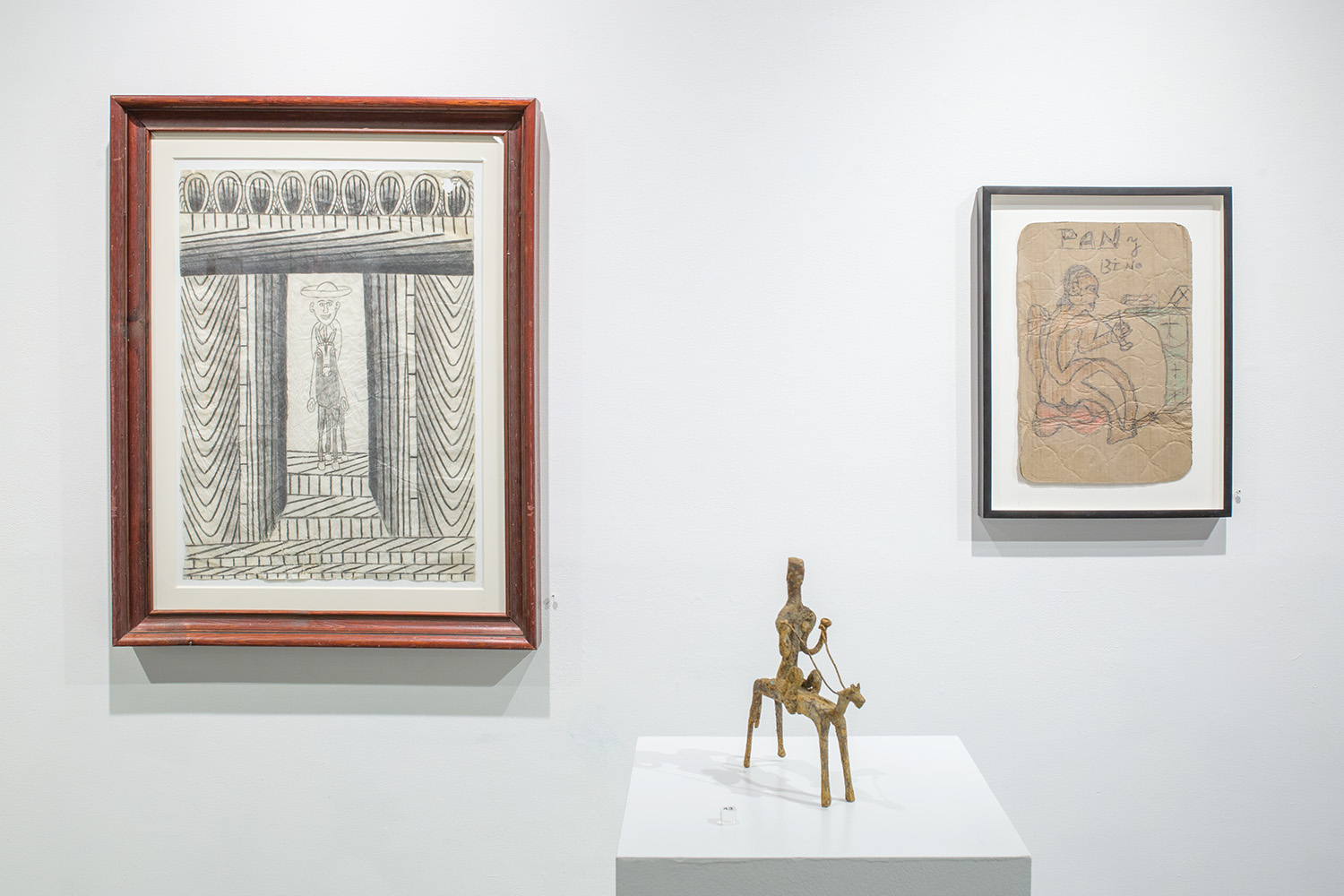
Body Lines is a group exhibition featuring an international selection of artists, each with a transformative vision of the human body and spirit. The long history of drawing the figure has created an inextricable link between line and the body, a practice which continues to reflect our ever evolving relationship with the human form and consciousness. The drawings in the exhibition use line to push beyond representational depictions of physicality into the realm of abstract notions of presence and spirit.
The exhibition will include the work of Dwight Mackintosh from Creative Growth, whose loose, repetitive lines result in x-ray like visions, as if to show the interior structures of the human form. Also from Creative Growth, the prolific artist Donald Mitchell uses obsessive crosshatching to reveal faces and figures within the surface of the page. Caroline Demangel also works in the practice of uncovering the intangible with her dynamic and energetic lines. She once described her work as “the hatching of something buried I am still exploring.”
The intricate and anatomical work of Luboš Plný speaks to the relationship between the internal and the external, his annotations ask us to think about the micro worlds churning inside all of us. Plný was diagnosed with schizophrenia simplex, a non-hallucinatory manifestation of the disease, and processes his condition by creating complex and layered images of the body.
Working to explore the depths of the spirit is Japanese artist M’onma who is guided by an ‘entity’ to create elaborate drawings that result in a woven, tapestry-like vision. He outlines intersecting swatches of space and color to form a tooth, fingernail or an eye, and ultimately carves out a world on paper. Belgian artist Solange Knopf also taps into the psyche to transmute archetypes and transmit dreamscapes of the soul. Additionally, Indonesian artist Angkasapura’s ferocious marks create an esoteric gravity within his heavy figures and their habitats. It is the varying density he gives each appendage and the intense detail that gives the viewer a clue into the force that moves him.
The exhibition will also include pieces by Miguel Ramon Morales Diaz and Ilya Natarevich who transform the ostensibly mundane to communicate a rich interior vision. The work of self-taught masters Bill Traylor and Martin Ramirez will be included in the exhibition. Both artists use seemingly simplistic, flattened representations of the human form with recurring motifs to explore a vivid yet complex world.
Each artist harnesses the quality of line to convey the ever evolving vision of the body in relation to the external world. The selection for the exhibition explores the continuous dialogue between inward and outward selfhood.
For additional information please contact info@cavinmorris.com or call us at 212-226-3768.




PRIMORDIAL HEART: NEW WORKS BY CHRISTINE SEFOLOSHA




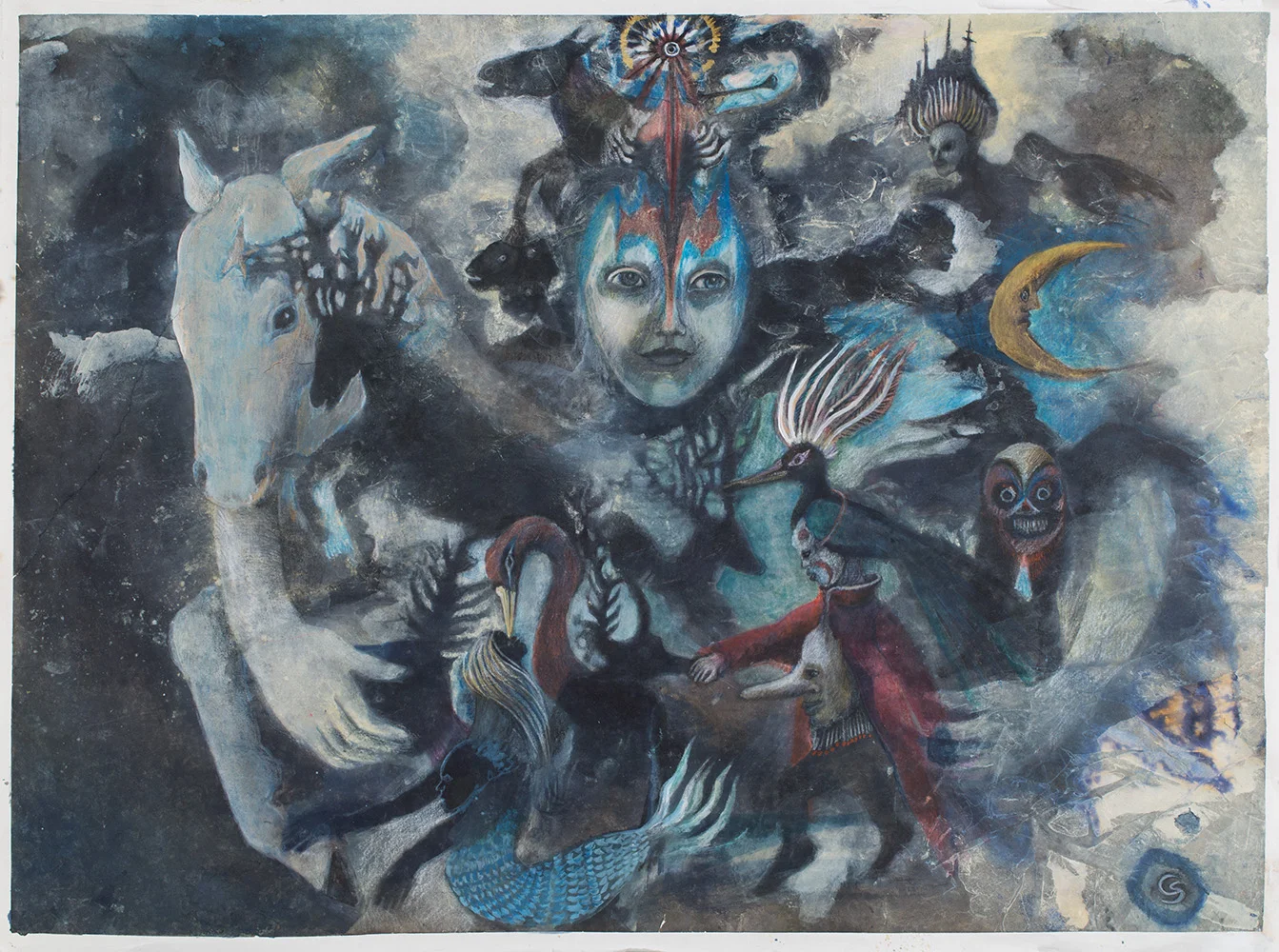
Christine Sefolosha, In My Arms, 2018, Mixed media, acrylic, ink, color pencil on paper / Chine collé, 26 x 30 inches, 66 x 76.2 cm, CSe 129
FOR IMMEDIATE RELEASE:
PRIMORDIAL HEART: NEW WORKS BY CHRISTINE SEFOLOSHA
February 14 - March 16, 2019
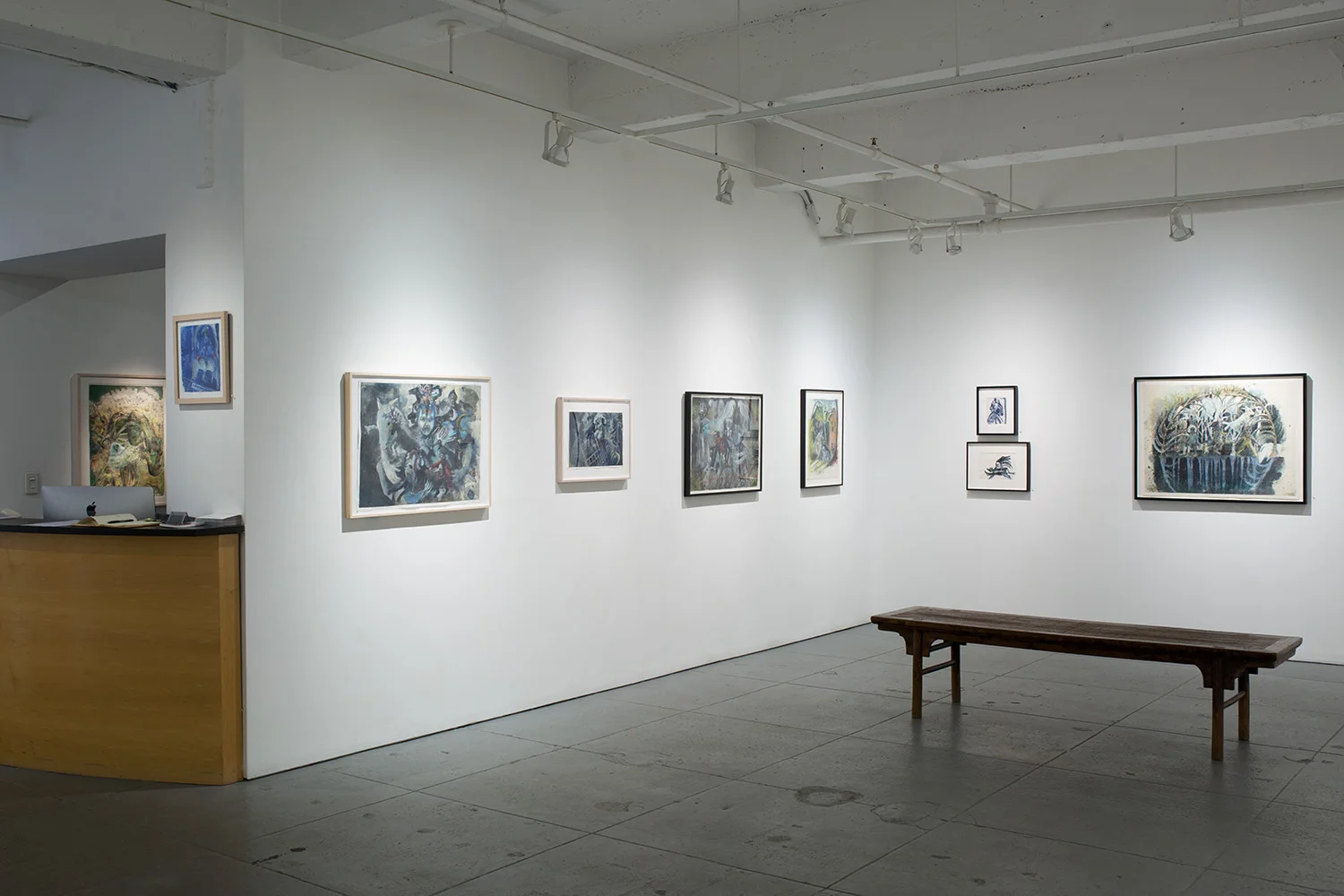
Christine Sefolosha is an oneiric or dream traveler. There are some artists whose work drifts like a dark voluptuous flower over the unseeing ant-like hordes of the art mainstream. It ravels and unravels histories. It moves even as it seems to be stationary on board, canvas, or paper. This art in a way, is about travel. We look to the distant horizon or up higher in the skies and see shivering roiling concentrations of energies: birds, clouds of dust, storms, insects, demons, angels, all indistinct in the chiaroscuro seconds before attaining form and disappearing in darkness. The unknown appears as a swarm of ectoplasm with an inner intelligence all its own. It is the open and aware traveler who sees it - not the tourist - the traveler.
“Whereas the tourist generally hurries back home at the end of a few weeks or months, the traveler belonging no more to one place than to the next moves slowly over periods of years, from one part of the earth to another. Indeed, he would have found it difficult to tell, among the many places he had lived, precisely where it was he had felt most at home.” Paul Bowles, The Sheltering Sky.
Christine Sefolosha is just such a traveler. She raises new challenges constantly. She asks that we open ourselves to the intentional freedom of the observations of a consummate artist whose psyche is in constant flux, who is at home everywhere and nowhere in the world, in the art world, on the precarious contemporary world, who, in Kurt Vonnegut’s immaculate phrase, has become “unstuck in time” like Billy Pilgrim in the novel Slaughterhouse Five.
We see Sefolosha as an often out-of-body expatriate. A visual wanderer. She is not a shaman. She is an artist. She is an animist. Animism is the imbuing of life and internal forces to non-human objects and entities. Sefolosha and other visionary artists translate animistic tendencies and impulses into idiosyncratic visual languages.
Cavin-Morris Gallery is pleased and privileged to present an exhibition of works on paper by an artist we have watched and loved for almost twenty years. She is unique. She is powerful. And she is generous in allowing us, through these drawings, to dream and travel with her.
For additional information please contact info@cavinmorris.com or call us at 212-226-3768.
Outsider Art Fair New York 2019

MAVERICKS II
FOR IMMEDIATE RELEASE:
MAVERICKS II
January 10 – February 9, 2019
2018 was a strange year for the nation but a deeply art-rich year at Cavin-Morris Gallery. We presented some of our most important exhibitions: Rings Around the Moon; Welcoming the Two-Faced Rider: Ilija Bosilj Baśičević; Story Tellers: Path to the Known; Water Memories: Izabella Ortiz; Eagle Crossed the Sun: Visionary works by J.B. Murray; The Nature of Things: Contemporary Woven Japanese Sculpture; Duende: Artists Translating Spirits; and The Fire Within, Vincent Atherton and Errol Lloyd Atherton.
Our first exhibition of 2019, Mavericks II, celebrates new works received in 2018 by gallery artists including Joseph Lambert, Izabella Ortiz, Caroline Demangel, Joseph Hofer, Sylvia Katuszewski, Chrissy Callas, Sandra Sheehy and others. The exhibition also welcomes new artists to the gallery including Davood Koochaki, Issei Nishimura, Dwight Mackintosh, Donald Mitchell, Alex Xatkevich, and Ezekiel Messou.
The exhibition will be in tandem with our presentation at the 2019 New York Outsider Art Fair in which we have based our booth on the concept of Edgewalkers and Worldbuilders. Cavin-Morris focuses on Visionary Art Brut from around the world. The artists who have joined us or who have given us this new work to show will also be featured in gallery exhibitions throughout the year.
We thank all the artists, collectors, curators, and writers who have enriched our lives, our gallery, and our vision with their generous and thoughtful input.
We are all Mavericks and we are proud of it.
For additional information please contact info@cavinmorris.com or call us at 212-226-3768.

Davood Koochaki, Untitled, 2017-2018, Graphite on paper, 39 x 27.5 inches, 99.1 x 69.9 cm, DKoo 23
The Fire Within

Eagle Crossed the Sun catalog now available online!

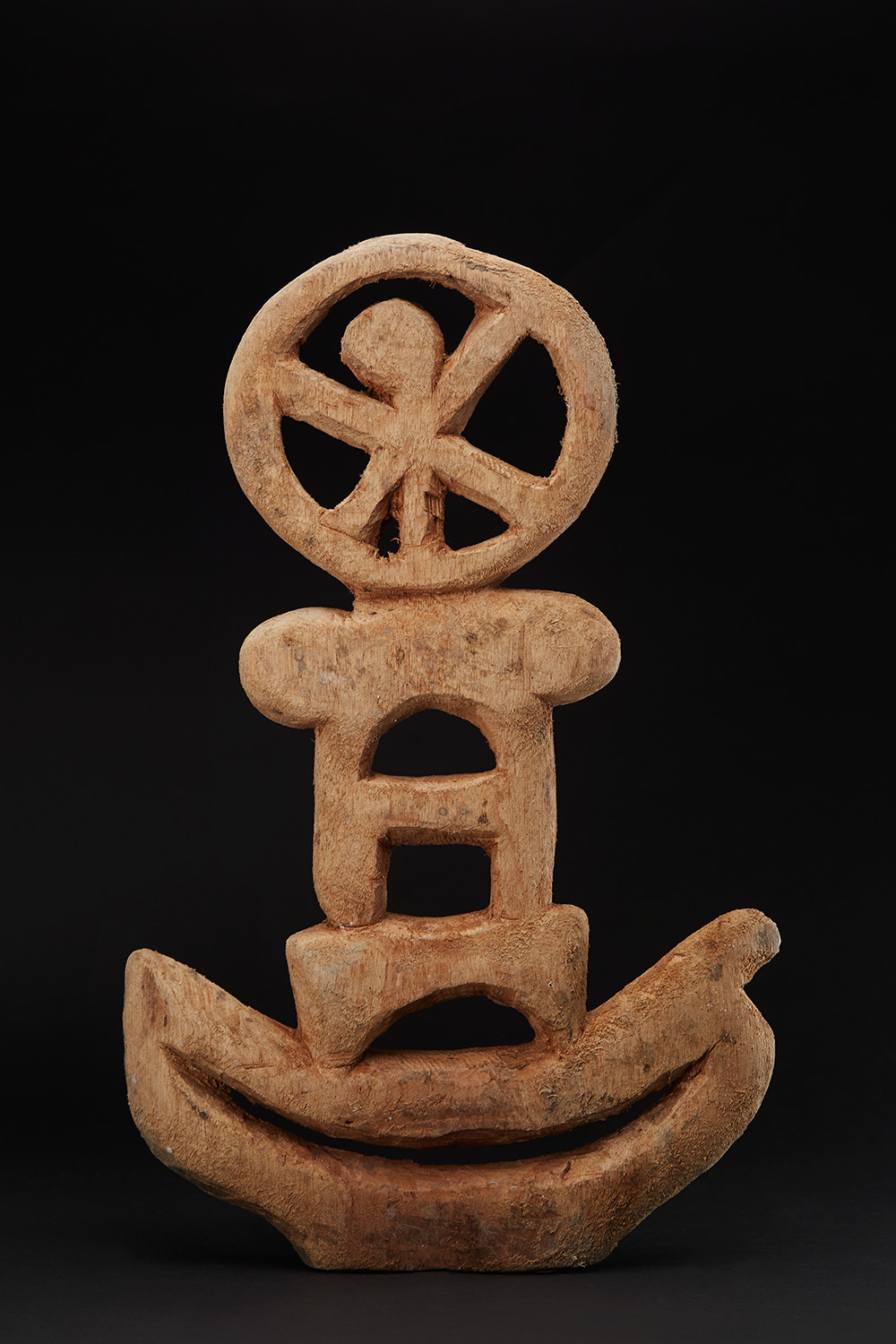
The Fire Within: Sculpture by Vincent Atherton and Errol Lloyd “Powah” Atherton

FOR IMMEDIATE RELEASE
The Fire Within: Sculpture by Vincent Atherton and Errol Lloyd “Powah” Atherton
November 8, 2018 - January 5, 2019
Each one of us has fire within --Vincent Atherton to Wayne Cox
Vincent Atherton (1924-2007) and Errol Lloyd “Powah” Atherton (1961-2012) were father and son. They lived in the same world of spirits, yet there was a generation between them and they had two very different ways of approaching that spirit world. Their commonalities were as significant as their differences. The core belief of the Atherton’s is Kumina, a spiritual path whose adherents call themselves not Jamaicans, but Africans. We must understand that in looking at their carvings that there is no hagiography or history of icons for how the Kumina spirits look. Like Haitian Georges Liautaud’s powerful sculptures, there are manifestations of energies and beings that have never been created before, made by iconoclastic artists.
Kumina believers are descendants of Kongo people brought to the Caribbean to sell, but sent to Jamaica as indentured servants when Britain banned the slave trade. Kumina is derived from Africa and was developed further post-emancipation. Vincent and Lloyd Atherton took it somewhere else as well. More personal. More private. More idiosyncratic. According to Wayne Cox, Vincent Atherton made his pieces for himself, in part for protection during dangerous passages of time, such as the millennial change. However, his amulets, as he told Cox, were also made to attract spirits. The spirit world is morally neutral. The person who uses their power determines the grey areas between good and evil. The same person can manipulate both. Vincent Atherton invented his own sculpting techniques, such as sometimes using gasoline and fire to hollow out larger pieces of wood. When questioned about this practice he replied that “we all have fire within”, a theme that runs through Jamaican spirituality.
Errol Lloyd “Powah’” Atherton, unlike his father, had a yard show or as I call them, spirit yards. He was more aligned with Bongo beliefs connected to Convince, an offshoot of Kumina. But he felt the old powers were dissipating, not raw and strong enough in the current world. To remedy this, he built his yard to attempt to attract the real spirits back again. He had healing herbs and old pieces of iron and stone from his ancestor’s placed around his dwelling. He had ‘seals’ set up around the secluded property, some with his father’s sculptures placed on them. He had imagery from other spiritual and occult sources as well. He had disconnected fans whose shapes imitated the Kongo Cosmogram and the cycle of life. It was not a public yard. It was his personal dialog with the ancestors; both the old ones left in Africa and the more recent ones who left their essences in the Jamaican home ground.
We are proud and honored to be able to present this extensive collection of this important work in the United States for the first time. We feel these sculptures help fill in another part of the spiritual and creative mosaic of Black American Art. We will be exhibiting all phases of both artists’ work, including Lloyd Atherton’s pierced metal pieces from his yard.
We thank our good friend Wayne Cox for his undying faith and allegiance and extraordinary energies in helping put this selection of Jamaican art before the world.
For additional information please contact info@cavinmorris.com or call us at 212-226-3768.
Outsider Art Fair Paris 2018


Check out these great videos of Kevin Sampson at Mystic Seaport
Eagle Crossed the Sun: Visionary Works by J.B. Murray


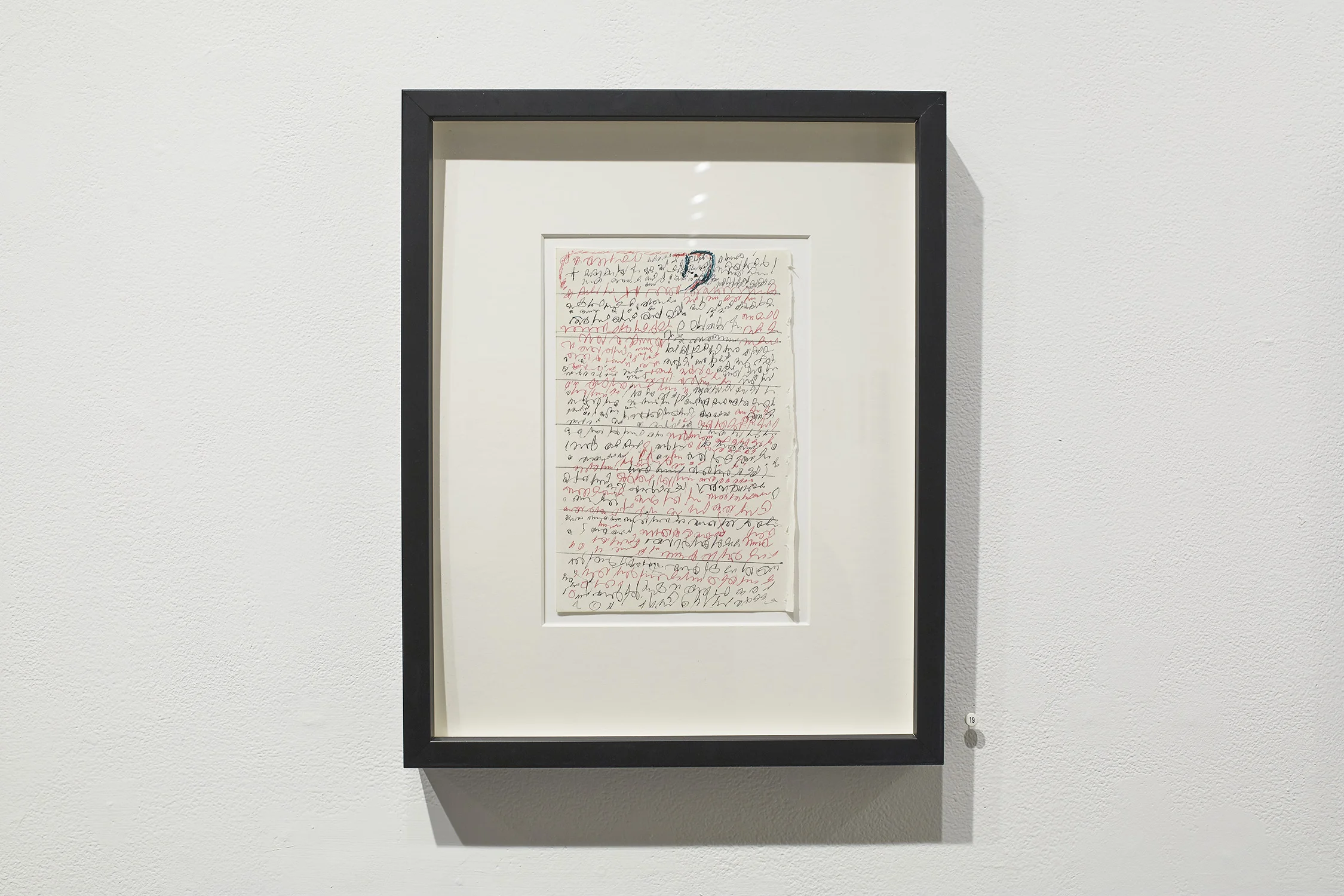


EAGLE CROSSED THE SUN: VISIONARY WORKS BY J.B. MURRAY
(September 13 - November 3, 2018)
J.B. (John Bunion) Murray was born in 1908 in Glascock County, Georgia. In the history of African American non-mainstream artists Murray falls into the second generation, born after the 19th century and before 1950.
His important graphic abstractions come from a unique place in the annals of this art. His generation dealt with a harsh variation of survival for black Americans in the South. Many of the problems of that time, like Jim Crow laws that were not struck from the books until 1965, continued into the present despite institutional and popular denial. It was an era of poverty and racism exacerbated by the disillusionment of black Americans who fought as victorious heroes in the World Wars only to return to the same ugly visage of the Jim Crow years as when they left.
The church attended by black Americans at that time was not the same as the white church. Black Pentecostalists were possessed by the Holy Spirit and moved in ways closer to the Old Religion than to the mainstream church. The banning of drums in the 19th century had moved rhythms into the body itself as manifested in the ring shouts, expressed by clapping, tambourines, cymbals, guitars and the rhythmic breaking up of language.
J.B. Murray was always spiritual. He was a church-going Pentecostalist who ultimately became more and more involved in a cosmic battle between good and evil. He believed some people were saved and some were not, and the battle to save those who were tormented by evil became the subject of his Spirit-inspired drawings.
His beliefs were too radical even for the local parishioners. He was asked to leave his community church. Soon after he was institutionalized because of his fervid praying and blessing, but was released within a short period of time having been diagnosed not insane. Now validated, he was allowed back in church again, even delivering a sermon or two. Illiterate, he handed out scraps of paper covered in his spirit writing given to him by an ecstatic experience that changed his life forever. In the late 1970’s he received this vision in his garden while hosing his plants, in a flood of buttery yellow and rainbow light refracted by the waters that coated the world around him and covered his skin in gold. He looked up and saw a visionary eagle cross the hot yellow sun. Clearly the intensity of these colors was an integral part of his vision and subsequent art making.
Events led to his being given access to better artistic materials than he could find previously. He developed a unique style in which, through color and line, he drew the intense language given to him by the Spirit, which he read by looking through a bottle of well water. On paper and board he fought the battle for the Soul of Man. He drew with both hands. His process was not only the mechanical act of drawing, he fought for the salvation of souls with each mark . The drawings are living records of this visionary struggle. The natural abstraction comes from Murray’s burning need to communicate a moral standing in his own cohesive language. Murray died in 1988.
His work is in major museums including the Metropolitan Museum of Art, The Harlem Studio Museum, the Smithsonian Museum of American Art, the High Museum of Art, The Menil Collection, and the American Folk Art Museum.
Cavin-Morris Gallery is honored to represent the family estate with these rich dynamic evocations of man’s ancient spirit. Our exhibition will present three phases of Murray’s work, including three early pieces on cash register scroll.
For additional information please contact info@cavinmorris.com or call us at 212-226-3768.
Coming soon!

The Nature of Things catalog available online now!

The Nature of Things: Contemporary Japanese Woven Sculpture